Breathing Exercises for Stress: 5 Techniques Busy Adults Use for Calm in Minutes
By: Workout World Editorial
Fact checked by: QA Team
Updated on: September 23, 2026
0
1596
10 min
In this article
Understanding Breathing Exercises for Stress
How It Works
Benefits and Evidence from Studies
How To Get Started
Common Mistakes and Considerations
FAQ
Working professionals, students, and parents face racing thoughts, rapid heartbeat, and muscle tension from daily pressures. Finding practical ways to manage this overwhelm often feels like another chore.
Breathing exercises for stress deliver drug-free relief that fits perfectly into daily commutes, work breaks, or evening wind-downs. These methods require zero equipment and work to calm the nervous system almost instantly.
This guide explores easy steps, science-backed explanations, and the tangible results users report from daily practice. Read on to see how taking control of your breath can tame stress in just a few minutes a day.
Understanding Breathing Exercises for Stress
Users searching for breathing exercises for stress want simple tools for immediate calm plus the physiological reasons behind them. This section covers what they involve and who benefits the most.
What These Exercises Actually Involve
Breathing exercises for stress utilize controlled patterns like slow inhales and longer exhales to manually reset the nervous system. Testing reveals working professionals and parents use them to tackle physical symptoms such as shallow breathing during high-pressure moments.
Users report these accessible self-help tools need no equipment and support long-term goals like better focus. They fit perfectly into busy schedules to enhance emotional regulation.
The rhythmic pacing forces the body out of an elevated state by physically altering oxygen and carbon dioxide levels. This mechanical shift interrupts anxiety loops before they escalate further.
Who Benefits and When to Use Them
These practices suit mixed experience levels for adults dealing with chronic stress or sudden anxiety episodes. Students and parents often apply them before exams, meetings, or bedtime to ease difficulty relaxing.
Testing reveals they shine in contexts like work breaks or commutes, helping achieve quick calm without drawing attention. This builds a lower baseline anxiety without disrupting normal daily life.
Now that the basics are clear, exploring the science reveals exactly why these patterns ease stress so effectively.
How It Works
The body responds fast when breathing rhythms change. Testing reveals specific patterns influence everything from heart rate to brain signals, shifting users out of fight-or-flight mode.
Resonance at Around Six Breaths Per Minute
Testing reveals slow breathing near six breaths per minute creates resonance between respiratory, cardiovascular, and baroreflex systems. This optimizes heart rate variability and promotes parasympathetic dominance.
The brain receives a physical safety signal and exits fight-or-flight mode. Users report this specific pacing helps students and professionals reset during tight deadlines, making it a practical daily tool.
Maintaining this rhythm consistently allows the body to maintain efficient oxygen exchange while minimizing stress hormone production. Practice makes reaching this resonant frequency much easier over time.
Power of Prolonged Exhales on the Vagus Nerve
Prolonged exhalation stimulates vagal afferents and baroreceptors, lowering heart rate and calming the amygdala. Users report pairing an inhale of four with an exhale of six helps interrupt anxiety spirals in the evening.
Testing reveals this mechanism is why elongated exhales appear in so many breathing exercises for stress and deliver fast relief. For those seeking structured guidance, Nordletics offers dedicated stress-relief techniques alongside customized home workouts.
The platform helps users eliminate stress and boost confidence by following a personal mindfulness guide. Nordletics integrates these daily routines seamlessly into broader fitness and nutrition goals, ensuring mental health gets proper focus.
Research Insight
Elongated exhales directly signal the nervous system that the immediate threat has passed, allowing the heart rate to drop naturally.
Direct Influence on Brainstem and Arousal
Breathing rhythms directly influence brainstem neurons in the preBötC that project to the locus coeruleus. This directly modulates arousal, attention, and anxiety levels.
Testing reveals this is exactly why structured pacing sharpens focus for working adults facing racing thoughts. These physical changes promote emotional regulation that fits busy schedules without needing hours of dedicated practice.
With the mechanisms clear, the research shows real benefits that go beyond just feeling calmer in the moment.
Benefits and Evidence from Studies
Positive results keep stacking up in clinical trials regarding breathwork. This section looks at what the data says about stress reduction while keeping expectations realistic.
Lower Stress, Anxiety, and Depression
A meta-analysis of 12 RCTs with 785 participants found breathwork associated with lower self-reported stress and depression versus controls per Scientific Reports (2023). Users report better sleep quality and emotional regulation after regular sessions.
Testing reveals these breathing exercises for stress help build psychological resilience for busy adults. Benefits grow strongest with consistent practice rather than one-off reactive use.
Over time, regular practitioners note a higher threshold for panic when facing unexpected workplace challenges. The baseline level of everyday anxiety steadily decreases with persistent habits.
HRV Improvements and Physical Calm
Slow-paced breathing at five to six breaths per minute improves HRV comparably to FDA-approved biofeedback devices according to Frontiers in Physiology (2019). This directly reduces physical symptoms like muscle tension and rapid heartbeat.
One RCT noted similar gains in placebo pacing groups, so let's be real: mindset matters. The techniques still deliver measurable calm regardless of expectations.
Longer-Term Gains and Realistic Limits
Regular alternate nostril breathing links to lower heart rate and stress levels per British Heart Foundation reviews. Testing reveals it is a trainable skill, not a permanent one-time fix.
This corrects the misconception that all techniques work equally for everyone. Users report tracking personal stress levels for one to two weeks helps identify what fits their triggers best.
Ready to try it out? Here is how to begin with straightforward steps that fit real life.
How To Get Started
Starting is simpler than most people think when using structured methods. Follow these practical walkthroughs with exact counts that users report deliver fast results.
Diaphragmatic Breathing Fundamentals
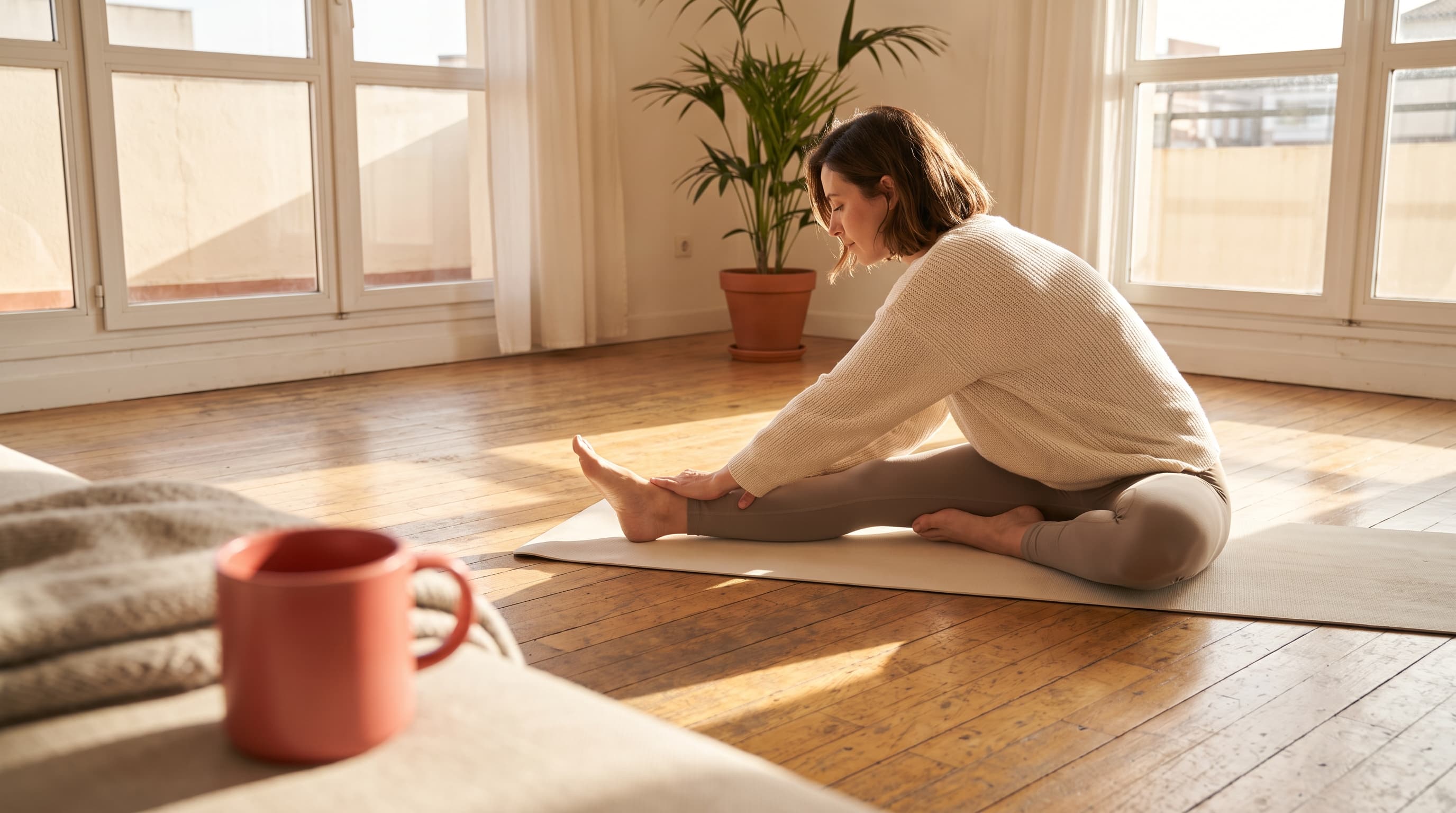
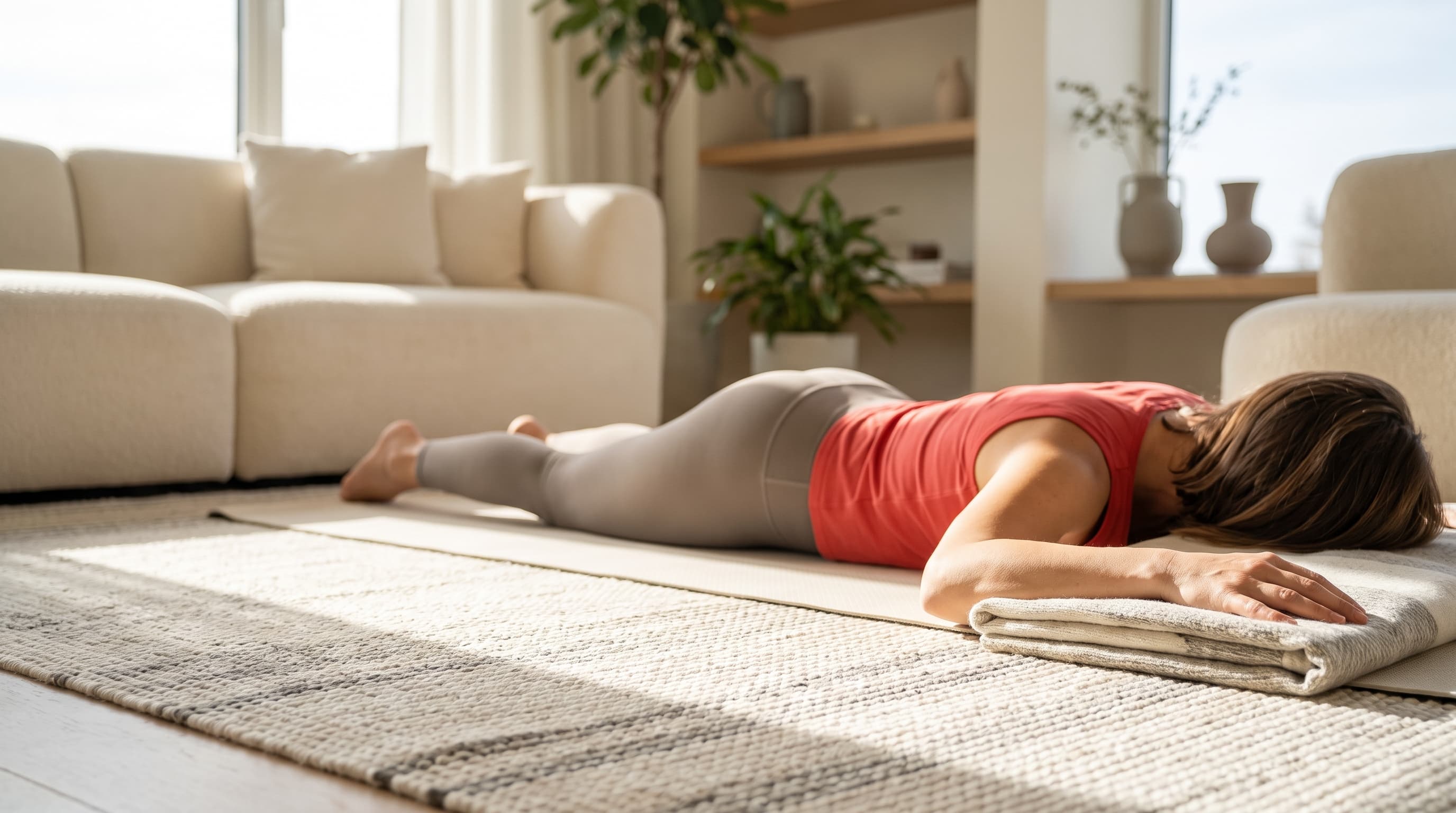
Sit or lie comfortably, placing one hand on the belly and one on the chest. Inhale through the nose for four counts so the belly rises, then exhale through pursed lips longer than the inhale.
Users report 5-10 minute daily sessions build the base for stress relief and combat shallow breathing. Testing reveals guided pacing audio in a tool like Nordletics removes the mental load of counting so focus stays on relaxation.
The Nordletics app pairs these mindfulness techniques with easy-to-follow personal meal plans created by top nutritionists. You can manage anxiety and hit fitness goals simultaneously without needing separate subscriptions or expensive gym memberships.
Tracking progress directly within the application keeps motivation high when forming new daily habits. Mastering this technique takes just a few focused steps.
Core Setup Steps
Hand placement — position one hand on the chest and one on the belly.
Inhalation phase — breathe gently through the nose for 4 counts.
Exhalation phase — release through pursed lips for 6 counts.
Use box breathing with an inhale of four, hold for four, exhale for four, and hold for four while visualizing a square for four to six rounds. This tactical technique helps regain focus during meetings for working professionals.
Testing reveals starting in a quiet space when calm makes it easier to deploy in high-stress moments without anyone noticing. Below is a quick comparison of popular techniques and their best use cases.
Technique
Count Ratio
Best For
Box Breathing
4-4-4-4
Workday reset
4-7-8 Method
4-7-8
Sleep support
Diaphragmatic
4-6
Daily baseline
4-7-8 Technique for Anxiety and Sleep
Exhale fully to start, inhale through the nose for four counts, hold for seven, and exhale through the mouth for eight. Users report it calms anxiety spikes and eases falling asleep for parents and students.
Combine this with noticing five things you see for visual grounding. Remember to keep breaths gentle to prevent dizziness per practical testing.
Even simple techniques have occasional pitfalls when learning. Knowing common mistakes keeps progress steady and safe.
Common Mistakes and Considerations
Most people hit a few bumps at first when learning breath control. These realistic tips help avoid frustration and match techniques to personal needs.
Steering Clear of Overbreathing and Forcing It
More air or deep chest breaths are not always better since controlled nasal belly breathing maintains CO2 balance. Avoiding rapid chest breathing prevents common hyperventilation risks.
Testing reveals many feel dizzy from overdoing breath holds in box or 4-7-8 patterns, so shorten them or skip if uncomfortable. Users report practicing gently during two-minute micro-sessions after meetings prevents this.
Personalizing Techniques to Your Triggers
Not every rhythm works the same, so track perceived stress before and after to see which breathing exercises for stress fit best. The 2023 Scientific Reports meta-analysis notes expectancy effects play a role.
Setting realistic expectations prevents frustration when seeking immediate relief. Adults with chronic stress may combine elongated exhales with light movement for extra resilience.
Building Habits That Actually Stick
Incorporate micro-practices under 90 seconds into existing routines like post-meeting transitions or bedtime wind-downs instead of waiting for acute stress. Testing reveals consistency beats intensity for long-term health.
Staying consistent is easier with tools like Nordletics, which monitors and visualizes your progress with built-in trackers. The platform's healthy challenges take your wellness journey to the next level by ensuring you stick to both workouts and mindful breathing.
Users report that visualizing their daily streaks prevents them from slipping back into old patterns. If physical symptoms persist, professional guidance ensures breathwork complements other tools safely.
Still have questions about making these practices work? The FAQs below tackle the most common inquiries regarding breathing exercises for stress.
FAQ
What is the fastest breathing technique for anxiety or panic?
The physiological sigh or 4-7-8 method often gives quickest relief for acute spikes. Testing reveals users report it calms rapid heartbeat and racing thoughts in under a minute when practiced ahead of time.
A meta-analysis of 12 RCTs with 785 participants linked breathwork to lower anxiety per Scientific Reports (2023). Advise limiting cycles and returning to nasal breathing if dizziness hits to keep guidance practical for busy adults.
How does box breathing reduce stress physiologically?
Box breathing at 4-4-4-4 counts creates resonance that boosts HRV and activates the vagus nerve, signaling safety to the brain. Users report it helps working professionals regain focus before meetings by lowering heart rate and inhibiting the amygdala.
Testing reveals the even rhythm influences brainstem neurons to modulate arousal. It works best after learning in calm moments then applying in real stress.
How long do I need to practice before seeing results?
Many users report noticing calmer moments after 1-2 weeks of 5-10 minute daily sessions, though full resilience builds over consistent months. Slow breathing at 5-6 breaths per minute improves HRV comparably to biofeedback per Frontiers in Physiology reviews.
Testing reveals tracking personal calm levels shows which techniques fit best. It is a trainable skill, not instant, so stack with routines like evening wind-downs for steady progress.
Can these techniques actually lower cortisol or blood pressure?
Yes, evidence shows diaphragmatic and alternate nostril breathing lower cortisol, blood pressure, and promote parasympathetic activity in systematic reviews. Regular practice of 30 minutes daily of alternate nostril breathing reduced these markers in cited studies.
Users report physical ease from muscle tension relief during high-stress moments. Results vary by individual so combine with healthy habits and consult professionals if needed for chronic issues.
Is it better to breathe only through the nose?
Nasal breathing as a default maintains CO2 balance and is usually more effective than mouth breathing during stress. Testing reveals returning gently to nose breathing avoids hyperventilation risks common in anxiety.
Users report it enhances the benefits of techniques like box breathing for parents and students. If congestion forces mouth breathing, just reset when possible without forcing, which aligns with research on optimal slow breathing near 6 breaths per minute.
What if a technique makes me feel dizzy or more anxious?
Shorten breath holds, reduce cycles, or switch to simpler elongated exhales if dizziness or increased anxiety appears. This is common with 4-7-8 or box breathing at first, so start with 4 counts only.
Testing reveals practicing when already calm prevents this for most working adults. The 2023 meta-analysis notes individual physiology differs, so personalize routines and seek guidance if discomfort continues.
How do I integrate breathing exercises into a busy workday?
Use two-minute micro-sessions during transitions like after meetings or before calls with box breathing for 4-6 rounds. Users report it fits commutes or desk breaks without drawing attention while cutting overwhelm.
Include the concrete timing of coherent breathing around 5.5 breaths per minute for 10 minutes when possible. Apps with guided audio remove counting stress, allowing you to build focus by habit stacking.
Share this article
Link copied!
Comments
(0)
Leave a comment
Your email will not be published. All fields are required.




Comments
(0)Leave a comment
Your email will not be published. All fields are required.