Start building core strength and flexibility with personalized home routines.
Try Nord Pilates today
What Is Pilates: How 8 Weeks Builds Core Strength, Eases Pain, and Fixes Posture for Desk Workers
By: Workout World Editorial
Fact checked by: QA Team
Updated on: November 12, 2026
0
19
14 min
In this article
- Understanding What Is Pilates
- How It Works
- Benefits and What The Evidence Shows
- How To Get Started
- Common Mistakes and Considerations
- FAQ

Yes, Pilates is a controlled movement system that builds core strength, eases joint pain, and fixes posture without the high-impact strain of traditional workouts. It delivers a smart path to better movement that fits seamlessly into busy modern lifestyles.
This guide explores what the method actually entails, the physical mechanics that make it work, and how to start seeing real physical changes. Testing reveals users often notice steadier balance, less discomfort, and a stronger mind-body link after sticking with it.
Understanding What Is Pilates
Testing reveals Pilates serves as a precise movement system focused on core stability rather than just another fitness fad. It emphasizes mindful muscle engagement to support long-term mobility and structural function.
This makes it a great match for women 25 to 55, desk workers battling poor posture, postpartum individuals, and older adults. Even men and elite athletes use it for smart cross-training or active rehabilitation.
Its Origins With Joseph Pilates
Joseph Pilates developed the system in the early 20th century, originally calling it Contrology. His initial goal was to rehabilitate soldiers and athletes through deliberate, mindful movement.
Historical Context
The method was designed to bridge the gap between physical therapy and traditional fitness conditioning.
Users report the practice builds a strong mind-body connection that many conventional workouts miss entirely. The method relies on six core principles that guide every single session to maximize physical returns.
These principles make the approach especially useful for those with chronic low back pain or a general lack of core stability. They ensure that every repetition serves a functional purpose.
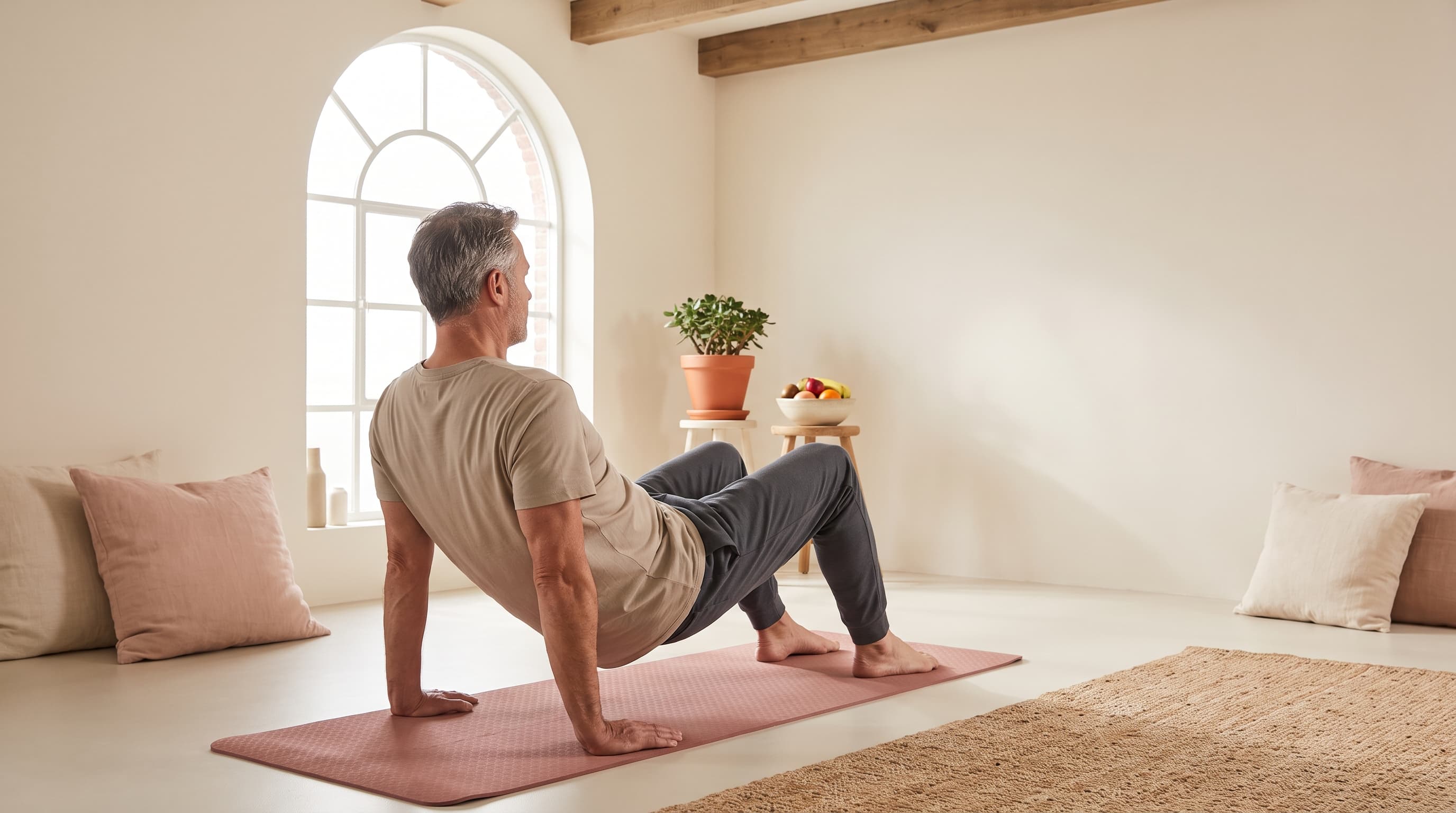
Key Principles That Shape Every Session
The guiding principles keep movements precise and breath-centered so the body learns control instead of relying on momentum. Every exercise demands focus to ensure the correct muscles do the active work.
Testing reveals this repetitive, controlled approach differs from yoga's static poses and ancient spiritual roots. This core distinction corrects the common misconception that the two disciplines are basically the same.
It directly supports goals like improving posture, boosting flexibility, and reducing stress or the fear of movement. Many find the practice transforms how they carry themselves during daily life.
Who It's For and Why It Matters
Primarily women 25 to 55, desk workers with muscle imbalances, and postpartum individuals turn to it for low-impact strength without adding bulk. It tackles pain points like poor sitting posture, stiff joints, and poor sleep.
| Target Group | Primary Benefit |
|---|---|
Desk Workers | Spinal alignment |
Postpartum | Core restoration |
Athletes | Injury prevention |
Testing reveals men and athletes also use the method successfully for rehabilitation and targeted cross-training. Users report it fits nicely into busy schedules as a manageable habit two to three times a week.
Now that the basics are clear, exploring the exact mechanics that deliver these results is the next logical step. The method relies on specific anatomical triggers.
How It Works
The method trains deep muscles to fire first, supporting everything else in a smart and efficient way. The focus stays firmly on control, breath, and alignment to build stability without strain.
By targeting smaller stabilizing muscles, it creates a solid foundation for larger, more powerful movements. This approach ensures joints remain protected while building functional, real-world strength.
The Powerhouse Core Concept
The powerhouse describes the deep abdominal, back, pelvic floor, and hip muscles acting together. They function like an internal girdle that supports the spine during every physical movement.
Users report engaging this central area before limb motion prevents compensatory habits that worsen neck or back pain. Testing reveals this creates the vital core stability that desk workers and postpartum people often lack.
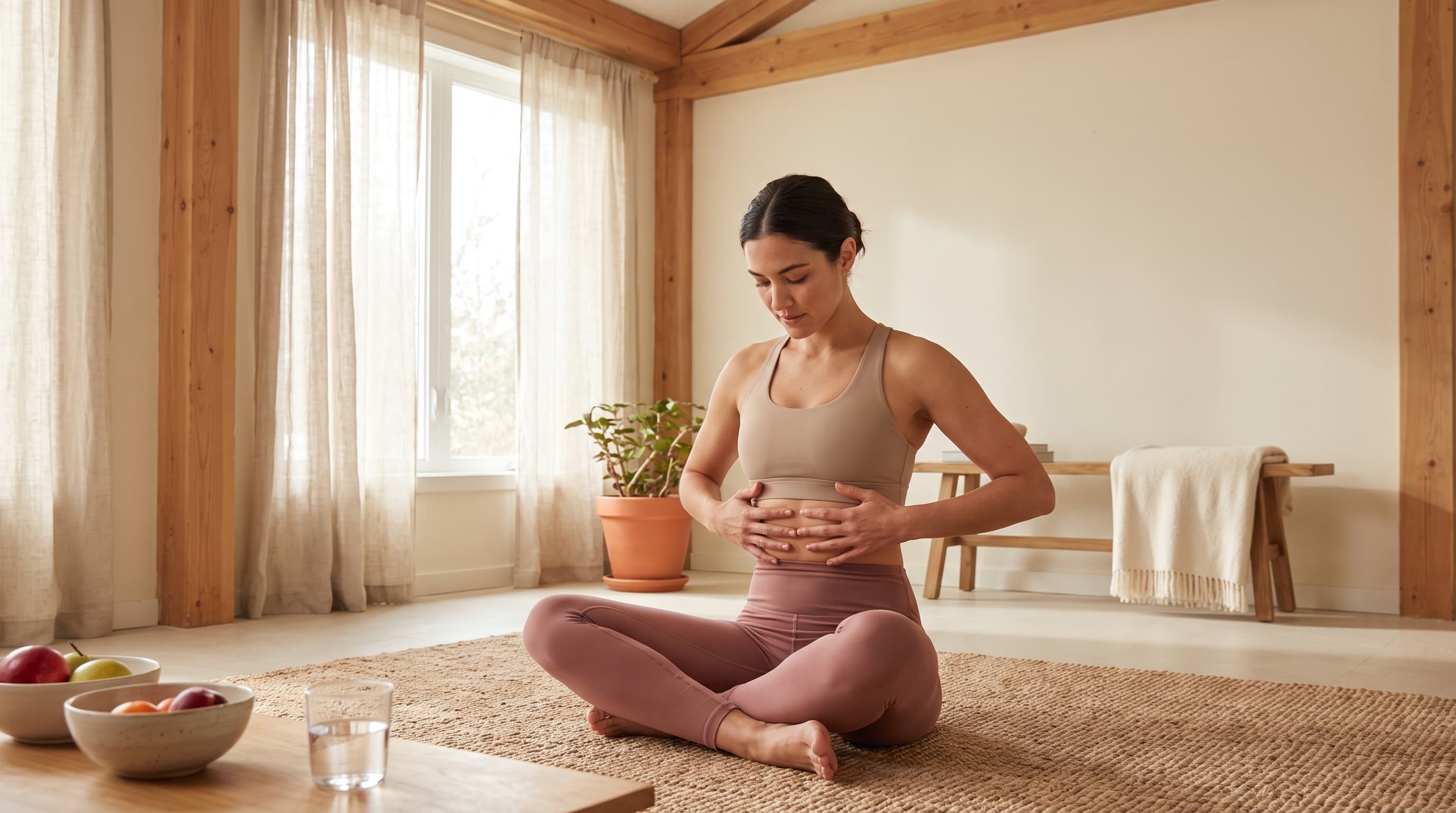
It pairs directly with neutral spine alignment to optimize posture during controlled exercise routines. When the powerhouse is active, the rest of the body moves with greater ease and safety.
Breath, Precision, and Flow
Lateral ribcage breathing coordinates each move by inhaling to prepare and exhaling on effort while drawing the navel in. Users report this keeps motion smooth and flowing without breath-holding that creates unnecessary tension.
For those practicing at home, Nord Pilates offers a personalized wellness app that helps master these exact breathing techniques. The platform tracks your progress across sessions, automatically adjusting difficulty as your core strength develops over time.
What sets the app apart are the in-depth stress-relief techniques written by top psychologists and nutrition experts. Testing reveals the daily habit trackers keep users consistent, helping them eliminate stress while building practical mindfulness routines.
Combine this precise breathing with axial elongation to maintain length and avoid joint strain. Proper breath control boosts the mind-body connection, easing the stress or poor sleep common in busy adults.
Controlled Eccentric Movements
Muscles lengthen under tension instead of using momentum, building endurance and lean tone rather than heavy bulk. This eccentric focus improves joint stability, explaining why those recovering from injury often prefer it.
A randomized clinical trial in the Journal of Bodywork and Movement Therapies (2025) showed impressive results for post-COVID patients. Eight weeks of practice improved six-minute walk distance, cut fatigue, and boosted overall sleep quality.
Start with short sessions to master the eccentric control before adding resistance or speed. These careful mechanisms lead straight into some impressive physical benefits backed by recent clinical research.
Benefits and What The Evidence Shows
The perks hit both body and mind, with recent 2025 studies adding fresh data on pain, posture, and mental health. The evidence points to widespread physical improvements for consistent practitioners.
Let us look at what the research actually says about these outcomes while staying realistic about limitations. The science highlights just how effective this low-impact approach can be.
Pain Relief, Posture, and Physical Function
A systematic review with meta-analysis in BMC Musculoskeletal Disorders (2025) found the practice actively reduces chronic neck pain. It showed a mean difference of -1.49 post-treatment, with even greater improvements at follow-up.
| Study Focus | Duration | Result |
|---|---|---|
Neck Pain | 8 weeks | -1.49 pain score |
Fatigue | 8 weeks | Reduced symptoms |
Mobility | 12 weeks | Increased distance |
Users report less low back discomfort, better alignment, and improved balance after establishing a regular routine. Testing reveals it helps prevent injury and supports goals like core endurance without high-impact stress.
This makes the method a solid complement to running, heavy weight training, or desk ergonomics. It balances the body by strengthening weak areas and stretching tight, overworked muscles.
Mental Health, Sleep, and Wellness Gains
An observational study in the Healthcare journal (2025) showed significant reductions in anxiety, depression, and somatization symptoms versus non-active controls. Mental health often improves directly alongside physical strength.
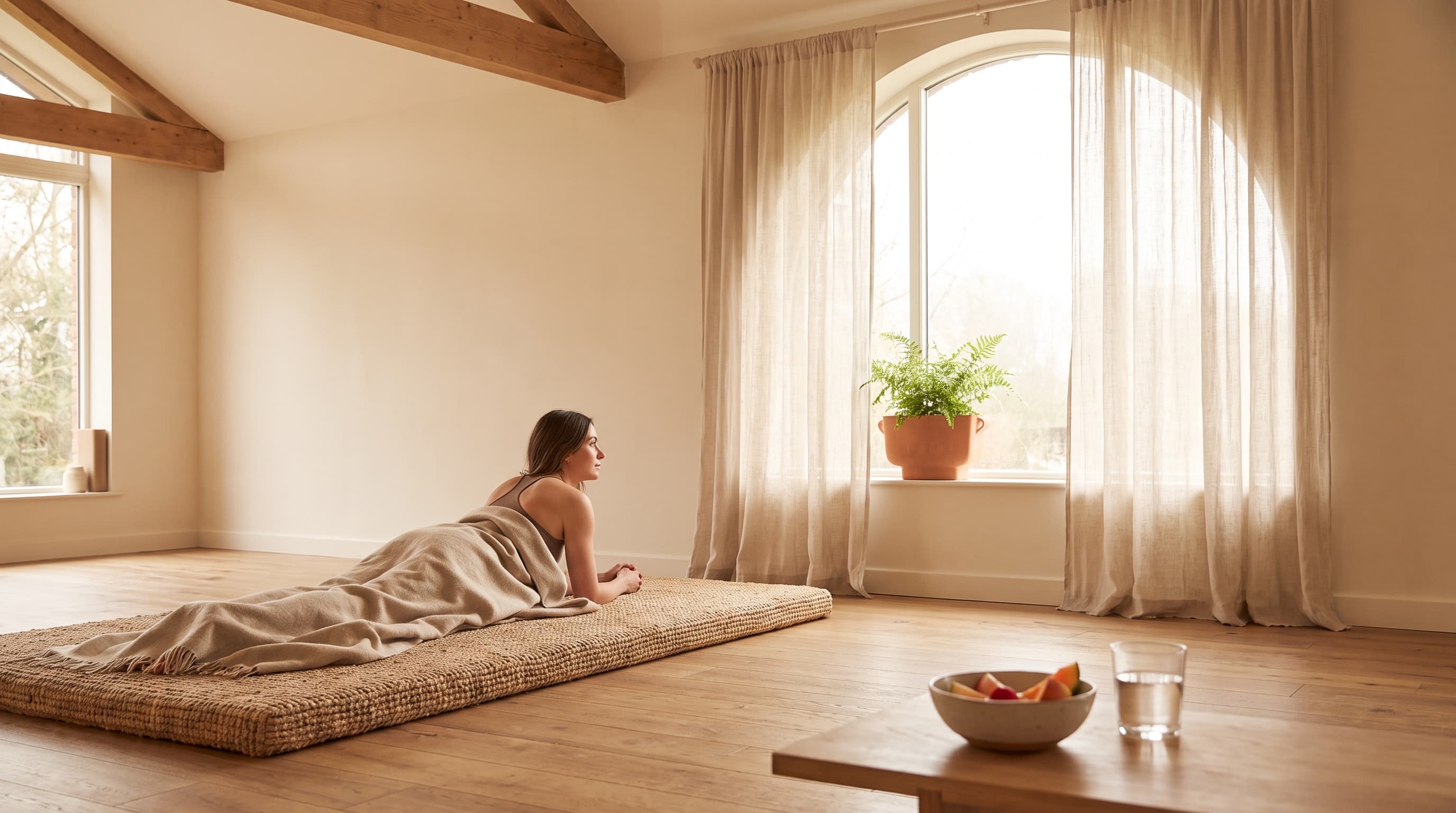
Users report stronger mind-body awareness that eases daily stress and improves sleep quality after consistent sessions. Testing reveals promising effects on fall risk and mobility for older adults, though more trials are needed.
It aligns perfectly with overall wellness aims for busy adults trying to balance work and health. The mindful nature of the movements forces the brain to stay present and focused.
Correcting Common Misconceptions
Contrary to the belief it is only for dancers or injured people, testing reveals it suits all genders, ages, and athletes. A 2025 Journal of Physical Activity and Health study showed it prevented BMI rises in obesity groups and reduced emotional eating.
Overcoming the hurdle of knowing where to start is easier with tools like Nord Pilates, which offers beginner-friendly pilates options that gradually increase in intensity. Users report that following an easy-to-follow personal meal plan from the app helps them reach physical goals faster.
The method builds lean tone through muscular endurance rather than mere stretching or heavy lifting. Evidence is strongest for pain and function, but remains cautious on major weight loss per Cleveland Clinic reviews.
With the proven benefits clear, exploring exactly how to begin practicing safely is the next practical step. The right approach ensures steady progress.
How To Get Started
Starting the method is straightforward when you emphasize control and consistency over aiming for absolute perfection. The focus should always remain on how the movement feels rather than how it looks.
Short beginner sessions can quickly build confidence and deliver noticeable physical changes over a few weeks. Committing to a few days a week yields much better results than occasional, intense workouts.
Mat Work Versus Reformer Options
Mat routines follow the exact same principles and prove highly effective without needing expensive studio equipment. The reformer simply adds spring-based resistance for later progression or specific rehabilitation needs.
Beginners should begin with floor routines to learn core fundamentals like proper alignment and breath control. Users report it fits easily into busy schedules as a convenient, low-impact daily habit.
Practical tips always stress quality over speed so every muscle works with deliberate precision. Mastering the mat foundation ensures better results if you eventually move to machine classes.
Beginner-Friendly Exercises
Start with short 10 to 15-minute routines featuring gentle movements for basic spinal mobility and core engagement. Following a structured sequence helps the body adapt safely.
Core beginner movements
- Pelvic Tilts — gently rocks the pelvis to mobilize the lower spine
- The Hundred — activates the deep core and coordinates rapid breathing
- Single-Leg Stretches — challenges pelvic stability while extending the limbs
Users report doing a quick body scan to release neck, jaw, and shoulder tension improves form right away. Coordinate breath deliberately, engage the full powerhouse before moving limbs, and maintain a neutral spine.
This prevents the common mistake of arching the lower back during leg extensions. These introductory moves directly tackle the lack of body awareness so common in seated desk workers.
Building Consistency and Seeing Results
Practice two to three times per week for 45 to 60 minutes, as multiple trials show functional gains after four to eight weeks. Focus on integrating daily posture resets at your desk to transfer mat benefits into real life.
Staying consistent is often the hardest part, but the motivating challenges built into Nord Pilates are designed to take your wellness journey further. The platform includes fasting trackers, step counters, and water intake logs to monitor and visualize your holistic progress.
Users report better adherence and long-term mobility when digital guidance keeps things practical and varied. Avoiding a few key pitfalls will help you progress safely and keep those positive physical results coming.
Common Mistakes and Considerations
Even this gentle method has form traps that can slow progress or create new physical issues if ignored. A lack of focus easily turns a beneficial exercise into a harmful strain.
Keeping expectations grounded alongside smart movement modifications sets everyone up for long-term success. Understanding these common errors helps maximize the value of every single session.
Precision Over Speed
Rushing repetitions or using momentum instead of controlled eccentric work cuts benefits and risks muscle strain. Moving too quickly entirely defeats the purpose of the mind-body connection.
Users report forgetting to engage the pelvic floor or losing a neutral spine during leg lifts leads to new imbalances. Testing reveals moving slowly with full range and deliberate breath yields much better core stability.
Prioritize movement quality in every short session over hitting high repetition counts. A few perfect repetitions always trump a dozen sloppy ones.
Modifications for Different Bodies
Postpartum individuals, older adults, and those with joint issues should modify moves and stop if discomfort exceeds mild effort. Pushing through sharp pain is never recommended in this careful discipline.
The method remains suitable during pregnancy or for injury recovery when guided by proper professional advice. Testing reveals it actively helps reduce the fear of movement for people dealing with chronic stress.
Always combine new exercise routines with input from healthcare providers if managing chronic injuries.
Modifying an exercise is a sign of smart training, not a physical weakness. It ensures the correct muscles engage without straining vulnerable joints.
Evidence Limits and Realistic Expectations
While a 2025 meta-analysis confirmed pain relief and a trial showed sleep improvements after eight weeks, overall evidence quality remains moderate. More rigorous long-term studies are needed to confirm broader health claims per NHS summaries.
Users report visible tone and mobility gains take four to eight weeks of consistency rather than overnight transformation. Correcting the misconception that expensive equipment is strictly required helps beginners stay the course.
Mat practice delivers strong results on its own without a massive financial investment. These insights prepare you well, and specialized digital resources can support consistent home practice for lasting benefits.
Explore home routines
FAQ
What is the difference between Pilates and yoga?
The method uses repetitive controlled movements to build core endurance and alignment, while yoga emphasizes static poses with deeper spiritual roots. Both improve flexibility but target the body differently.
Testing reveals this approach better targets muscle imbalances and posture issues from desk work for women and others. Users report stronger body awareness and core stability without the session feeling purely meditative.
The six core principles focus entirely on physical mechanics. They complement rather than copy yoga for balanced overall wellness.
Is Pilates good for back pain or posture?
Yes, a meta-analysis in BMC Musculoskeletal Disorders (2025) reported neck pain reductions with a mean difference of -1.49 post-treatment. It actively builds the muscles that hold the spine upright.
Users report improved alignment and less chronic low back discomfort when focusing on the powerhouse and neutral spine. Start with short sessions and smart modifications to ensure safety.
Testing shows two to three weekly sessions over six to eight weeks often deliver noticeable, lasting relief. This makes it ideal for seated desk workers.
Can beginners start Pilates and do I need equipment?
Beginners can absolutely start with basic mat work, and no expensive equipment is required to see results. The floor provides all the feedback needed to learn proper body alignment.
Focus first on moves like pelvic tilts, The Hundred, and simple roll-ups while learning breath coordination. Users report guided cues prevent common errors like rushing or maintaining poor alignment.
Research from 2025 supports its safety and effectiveness for mixed levels, including older adults, when strict precision is maintained.
How often should I practice Pilates to see results?
Effective protocols from clinical trials use two to three sessions of 45 to 60 minutes per week. Posture and pain improvements often start appearing in just four to eight weeks.
Users report better sleep quality and core stability after establishing a consistent practice routine. Testing on post-COVID patients confirmed actual gains in walk distance and reduced fatigue after eight weeks.
Pair mat routines with daily desk posture resets to achieve real-life physical benefits without overdoing it. Consistency matters more than session intensity.
Does Pilates help with weight loss or toning?
It builds lean tone and core endurance through eccentric control rather than driving major cardiovascular weight loss. However, a 2025 study showed it prevented BMI increases and lowered emotional eating.
Users report a longer, stronger physical appearance without adding heavy muscle bulk. Combine the practice with other cardiovascular activities for optimal cardiometabolic perks.
Evidence remains strongest for function, flexibility, and quality of life per Cleveland Clinic medical reviews. Results vary by individual and depend entirely on consistency.
What are the key principles or the 'powerhouse'?
The six principles are centering, concentration, control, precision, breathing, and physical flow. The powerhouse is the deep core cylinder of abdominal, back, pelvic floor, and hip muscles.
This central area stabilizes all movement, acting much like an internal physical girdle. Users report mastering these principles rapidly improves daily posture and balance for desk workers.
A 2025 study directly linked their application to reduced anxiety symptoms and better overall functional mobility.
Is reformer Pilates better than mat Pilates?
Mat routines are highly effective for learning control and building strength at home without any equipment. The reformer adds spring resistance for progression, but it is certainly not required for results.
Both approaches follow Joseph Pilates' original core principles of mindful movement. Testing reveals beginners gain plenty from mat work by focusing on strict precision and breath.
Choose based on personal access and goals, with evidence on pain relief applying across both formats.
How long until I see a Pilates body?
Many notice improved posture, tone, and energy within four to eight weeks of practicing two to three times weekly. The deepest physical changes come from consistent, focused mind-body control.
Users report experiencing better movement quality well before noticing major visual physical shifts. The 2025 research on reduced somatization and enhanced sleep quality supports sticking with the habit.
Focus on how you feel and move rather than chasing a perfect physique for sustainable, realistic results. True wellness involves both mental clarity and physical strength.
Related Articles

Does Pilates Build Muscle in 8 Weeks? Your Guide to Lean Strength Without the Bulk
Workouts5 min read

Stretching After Workout: How 5-10 Minute Routines Build Flexibility Gains In 4-8 Weeks
Workouts5 min read

Home Fitness Tips for Busy Adults: Build Strength and Consistency in Under 30 Minutes
Workouts5 min read

Workouts to Lose Belly Fat: 12-Week Plans Combining HIIT, Strength, and Cardio for Busy Adults
Workouts5 min read
What Is Pilates: How 8 Weeks Builds Core Strength, Eases Pain, and Fixes Posture for Desk Workers
Workouts5 min read

Breathing Exercises for Stress: 5 Techniques Busy Adults Use for Calm in Minutes
Workouts5 min read
Comments
(0)Leave a comment
Your email will not be published. All fields are required.