Align your nutrition and fitness with your natural body rhythms.
Try Cycle Diet today
Managing Endometriosis Ovulation Pain: Practical Strategies for Women in Their 20s-40s
By: Workout World Editorial
Fact checked by: QA Team
Updated on: September 23, 2026
0
7
9 min
In this article
- Understanding Endometriosis Ovulation Pain
- How It Works
- What the Evidence Shows
- How To Get Started
- Common Mistakes and Considerations
- FAQ

Endometriosis ovulation pain often gets dismissed as normal mid-cycle discomfort. Users report that debilitating pain around day 14 can last for days, bringing nausea, fatigue, and radiating aches.
Testing reveals this is not just routine mittelschmerz for many women. Understanding the underlying mechanisms opens the door to genuine relief and better management.
This guide walks through evidence-based options and step-by-step tactics to handle these specific flares. Women can learn to predict symptoms, reduce intensity, and reclaim their daily routines.
Understanding Endometriosis Ovulation Pain
Women in their 20s-40s frequently face one-sided pelvic pain that disrupts work and intimacy. Providers sometimes brush this off as typical ovulation discomfort, leaving women without answers.
How It Differs from Normal Mittelschmerz
Users report normal mittelschmerz affects over 40% of reproductive-age women and usually fades within 48 hours. Endometriosis ovulation pain often lasts three to seven days with stabbing cramps.
These cramps frequently radiate to the back, hips, legs, or rectum. This is not mild discomfort that lets you power through exercise or daily tasks.
Testing reveals the extra severity comes from underlying lesions turning a routine follicle rupture into a broader inflammatory event. Here is a quick comparison of standard discomfort versus endometriosis-driven flares.
| Symptom | Normal Mittelschmerz | Endometriosis Pain |
|---|---|---|
Duration | 12-48 hours | 3-7 days |
Pain Level | Mild ache | Sharp stabbing |
Radiation | Localized | Back and legs |
Why Dismissal by Doctors Delays Care
Many women have their mid-cycle pain waved away as just standard ovulation pain. This dismissal leaves them without answers or proper management plans for years.
Testing reveals this pattern of pain expanding from periods to ovulation serves as a key diagnostic clue. Progressive cases often present exactly this way during clinical evaluations.
Users report that recognizing it is not normal empowers them to push for specialist evaluation. Getting the right care starts with tracking symptoms accurately.

The Real Impact on Daily Life
Pain that hits around day 14 and lingers with bloating makes planning work and self-care tough. Users report it heavily impacts fertility discussions and mental health when flares feel unpredictable.
A positive approach starts with tracking to spot personal patterns and prepare early. Let's look at the actual mechanisms creating that perfect storm in the pelvis.
How It Works
Ovulation naturally involves follicle rupture and localized inflammation. Endometriosis adds fuel to the fire, amplifying the response into severe, prolonged pain.
The Perfect Storm of Inflammation
Around day 14 in a typical cycle, follicle rupture releases fluid and blood that triggers inflammation. Chronic pelvic inflammation turns this into an amplified perfect storm according to specialist reviews.
Users report sharp or stabbing sensations that last days instead of hours. The estrogen surge stimulates ectopic endometrial-like tissue, boosting swelling and prostaglandin-mediated cramps.
Role of Adhesions and Ovarian Endometriomas
Adhesions tether ovaries to nearby structures, so normal mid-cycle swelling pulls on scar tissue. This creates the radiating ache many users describe in their lower back and legs.
Endometriomas, often called chocolate cysts, stretch already tender ovarian tissue during follicle growth. Testing reveals this anatomical tug explains why endometriosis ovulation pain disrupts function so heavily.
Hormonal Drivers Behind Flare Severity
The natural estrogen peak sensitizes lesions elsewhere, increasing inflammation that users feel as prolonged pelvic pain. This hormonal response often makes ovulation pain rival period pain in progressive cases.
For women navigating these shifts, Cycle Diet offers a personalized wellness app that aligns daily habits with natural body rhythms. The platform provides over 500 cycle-based recipes designed to adapt nutrition to specific hormonal phases.
Testing reveals that tailoring your diet during the estrogen surge can help support natural metabolism and wellness. Users report the app makes it easy to understand how food impacts hormonal balance during the crucial ovulatory window.
With the mechanisms clear, evidence shows real hope for cutting intensity.
What the Evidence Shows
Research backs several approaches that help reduce endometriosis ovulation pain and support better quality of life. Suppression tactics and lifestyle shifts deliver results while correcting common misconceptions.

Ovulation Suppression as a Core Strategy
Suppression of ovulation remains a mainstay for managing endometriosis-associated pelvic pain per Endocrine Reviews. This strategy often shortens those three to seven day flares that users dread.
Medications like continuous oral contraceptives reduced moderate to severe pain scores in multiple clinical trials. Users report fewer disruptions to daily work and relationships once cycles stabilize.
Correcting Myths About What Normal Means
It is a common misconception that all ovulation pain is mild and brief. Normal mittelschmerz rarely exceeds 48 hours or stops daily function according to Cleveland Clinic data.
Testing reveals that cyclic pain patterns acting outside these bounds are important diagnostic clues. Positive outcomes follow when women stop waiting it out and pursue specialist input.
Non-Hormonal and Complementary Options
Acupuncture and anti-inflammatory diets show benefits for reducing pelvic pain in recent gynecological reviews. Heat therapy and gentle movement help many users manage radiating nerve pain without extra medications.
Cycle Diet supports this non-hormonal approach by offering over 100 simple cycle-based workouts. Users can access yoga exercises and meditation guides specifically selected for high-pain days when intense exercise is impossible.
This feature helps maintain consistency with healthy habits without overstressing inflamed tissues. Turning this evidence into action is straightforward with practical starting steps.
Explore cycle-based plans
How To Get Started
Practical changes timed to your ovulatory window can cut flare severity fast. Consistent tracking plus daily tactics lead to fewer bad mid-cycle days.
Mastering Symptom Tracking for Prediction
Start logging pain intensity on a scale of one to ten, noting exact locations and triggers. Doing this for a few cycles helps accurately predict flares around day 14.
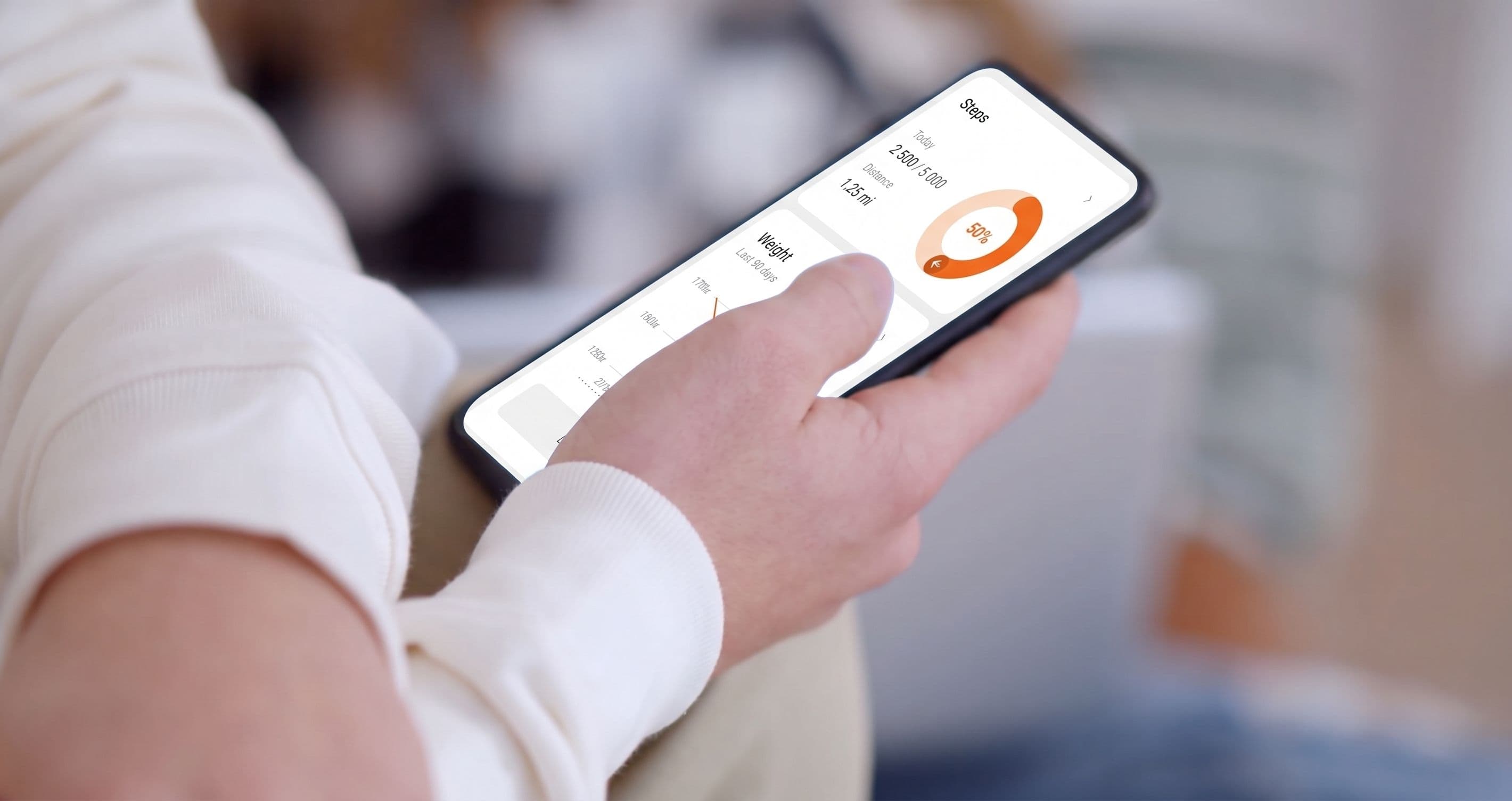
Cycle Diet features an accurate period tracker that provides clear insights into these patterns. The app delivers daily updates and personalized recommendations so you can plan and adjust your routine ahead of time.
Users report this turns unpredictable disruptions into a manageable, data-driven approach for doctor visits.
Daily Tactics to Calm Inflammation
At the first hint of mid-cycle discomfort, taking NSAIDs can curb prostaglandin release. Apply heat via a pad or warm bath for 15 to 30 minutes multiple times daily.
Prioritize anti-inflammatory foods such as berries and omega-3s to calm systemic swelling. Testing reveals these simple steps consistently shorten flares that would otherwise last a week.
Building a routine around these methods ensures you address pain from multiple angles.
Core relief steps
- Early medication — Take NSAIDs at the first sign of discomfort.
- Heat application — Use a heating pad for 15-30 minutes.
- Dietary shifts — Increase omega-3s and antioxidant-rich berries.
Bringing in Targeted Professional Help
If pain exceeds 48 hours, consult an endometriosis specialist for a possible laparoscopic evaluation. Many lesions are not visible on standard imaging, making expert clinical review essential.
Pelvic floor physical therapy also addresses muscle guarding that amplifies symptoms. Discussing ovulation-suppressing options often brings relief and helps with long-term management.
These steps work best when you avoid common missteps that stall progress.
Common Mistakes and Considerations
Motivated women sometimes hit snags by overlooking key details or outdated ideas. Sidestepping these pitfalls keeps momentum toward fewer disruptive flares.

Waiting Too Long to Address Symptoms
Many wait until endometriosis ovulation pain peaks before using heat or medication. Testing reveals acting at the first sign of discomfort cuts prostaglandin effects more effectively.
Users report this early shift noticeably trims overall flare length. Skipping early action often turns manageable days into lost productivity.
Assuming Pain Severity Matches Disease Stage
A big misconception is that severe pain only occurs with advanced visible endometriosis. Testing reveals pain levels do not always correlate with standard ultrasound imaging.
Dismissing symptoms because periods are not terrible often delays proper diagnosis. Positive management focuses on cycle patterns rather than assuming it is harmless.
Overlooking Realistic Evidence Limits
Evidence for non-hormonal ovulation-phase tactics remains largely observational rather than large targeted trials. Consider physical comorbidities like nerve sensitization that may need separate physical therapy.
Users report combining tracking, anti-inflammatory eating, and specialist care delivers sustainable results. With consistent effort, endometriosis ovulation pain does not have to control your cycle.
FAQ
Is severe or prolonged ovulation pain always a sign of endometriosis?
While over 40% of women experience normal mittelschmerz, pain lasting beyond 48 hours often points to endometriosis. Severe pain disrupting daily life deserves specialist review rather than dismissal.
Many women find validation and effective management through tracking patterns for several cycles. Discussing data-driven options like hormonal suppression helps reclaim mid-cycle function.
Why is my endometriosis ovulation pain worse and longer-lasting than my period pain?
Ovulation creates a perfect storm where follicle rupture and estrogen surges add acute inflammation to chronic lesions. This combination creates stabbing pain that users report can last up to seven days.
The pain often begins several days before ovulation in progressive patterns according to specialist insights. Tracking in cycle apps reveals personal triggers and helps implement anti-inflammatory strategies.
What does endometriosis-related ovulation pain actually feel like?
Users report deep, sharp stabbing or cramping that hits one side of the pelvis. This ache frequently radiates to the back, hips, legs, or rectum.
Accompanying bloating, nausea, and fatigue occur, which normal mittelschmerz rarely causes. Testing reveals pelvic physical therapy or TENS units alongside heat can ease these nerve-related flares effectively.
Can cycle tracking apps help manage endometriosis ovulation pain?
Logging pain scale data and timing around day 14 helps predict flares accurately. Identifying what reduces severity turns unpredictable disruptions into planned self-care routines.
This recorded data equips users for better doctor conversations by showing patterns beyond normal mittelschmerz. Preemptively adjusting diet or scheduling rest days leads to fewer lost workdays.
Will hormonal birth control stop endometriosis ovulation pain?
Continuous hormonal contraception often suppresses ovulation and is a mainstay for treatment. This approach reduces the inflammatory perfect storm for many users and shortens long flares.
It serves as a safe long-term option for pain management, though fertility impacts vary. Combining it with lifestyle tactics creates comprehensive relief without immediate surgery.

What natural or non-hormonal options have good evidence?
Acupuncture, anti-inflammatory nutrition, and consistent heat application show benefits for pelvic pain. Gentle movement like walking or yoga also helps manage symptoms without medication.
While evidence is largely observational, users report these tactics cut flare intensity when started early. Pairing them with pelvic floor therapy provides practical tools that support long-term management.
When should I see a doctor about my mid-cycle pain?
Seek care if pain lasts beyond 48 hours or impairs work and intimacy. Nausea and fatigue that typical mittelschmerz does not cause warrant professional evaluation.
Testing reveals laparoscopic evaluation by a specialist is key when symptoms persist despite lifestyle changes. This step leads to tailored treatment plans and better tools for predicting future flares.
Related Articles
Flame Diet App Review: What's Inside, What It Costs, and How To Manage It
Wellness5 min read

VO2 Max by Age Female: How Women Can Boost Scores 15-25% in 12 Weeks
Wellness5 min read
Managing Endometriosis Ovulation Pain: Practical Strategies for Women in Their 20s-40s
Wellness5 min read

PCOS vs Endometriosis: How to Tell the Difference and Take Positive Steps in 2026
Wellness5 min read

Does Endometriosis Cause Weight Gain? Managing Endo Belly for Women Aged 20-45
Wellness5 min read

Lymphatic Drainage Face Before and After: Real De-Puffing Results for Ages 25-55
Wellness5 min read
Comments
(0)Leave a comment
Your email will not be published. All fields are required.