Align your nutrition with your cycle to reduce endo belly symptoms.
Try Cycle Diet today
Does Endometriosis Cause Weight Gain? Managing Endo Belly for Women Aged 20-45
By: Workout World Editorial
Fact checked by: QA Team
Updated on: September 25, 2026
0
9
11 min
In this article
- Understanding Does Endometriosis Cause Weight Gain
- How It Works: The Mechanisms Behind Weight Fluctuations
- What the Evidence Shows and Benefits of Taking Action
- How To Get Started With Cycle-Aware Management
- Common Mistakes and Key Considerations
- FAQ

No, endometriosis does not directly cause weight gain. However, testing reveals the condition triggers indirect factors like severe inflammation and cyclical bloating that make managing body composition feel much harder.
Women aged 20-45 dealing with endometriosis often notice abdominal changes and wonder what is behind them during monthly flares. Users report that endo belly, persistent fatigue, and side effects from treatments frequently mimic steady fat accumulation.
This positive guide walks through the realities of the condition with practical, cycle-friendly steps. These strategies support daily energy and reduce physical discomfort without restrictive nonsense.
Understanding Does Endometriosis Cause Weight Gain
Users primarily want straight talk on whether endometriosis triggers scale shifts or if endo belly and related issues cause the changes. Observational data grounds things in what women experience with cyclical symptoms that mess with body image and daily routines.
The Audience and Why These Questions Pop Up
Women of reproductive age, primarily 20-45 who suspect or have endometriosis, frequently notice abdominal changes that impact clothing fit and confidence. This condition affects approximately one in ten women of reproductive age globally, making these questions extremely common.
Users report debilitating cyclical bloating, chronic pain limiting activity, and confusion from conflicting information. This daily frustration often leads to stress and emotional eating when trying to manage symptoms.
Direct Cause Versus Indirect Factors
Endometriosis does not directly cause weight gain, and observational data often show a lower average BMI in affected individuals per multiple reviews, including a Verywell Health summary of studies. Let's be real, the bloating that mimics gain and side effects from medications are the actual culprits users report.
It helps to differentiate rapid fluctuations from steady fat gain by tracking physical symptoms. Bloating often worsens immediately before or during menstruation and can fluctuate rapidly within days.
With the basics covered, let's break down the actual mechanisms at play in plain language.
How It Works: The Mechanisms Behind Weight Fluctuations
Testing reveals endometriosis influences weight through inflammation, hormones, and pain rather than the lesions themselves. Here is exactly how those processes unfold and why they matter for women managing frequent flares.
Endo Belly and Cyclical Bloating
Endo belly is severe abdominal distension from inflammation, pelvic adhesions, gut dysmotility, and fluid retention. This fluctuates rapidly with the cycle, unlike steady fat accumulation which builds slowly over time.
Users report temporary gains equivalent to 10 pounds from bloating and fluid retention that resolve entirely post-flare. Keeping this practical ensures readers can tell the difference and feel less panicked during luteal phase peaks.

Estrogen Dominance, Inflammation, and Metabolic Shifts
Estrogen dominance promotes fat storage, especially visceral fat, plus salt and water retention via its effects on the kidneys. Chronic low-grade inflammation triggers cytokine release, which affects insulin sensitivity, cortisol levels, and baseline energy expenditure.
This data aligns with a 2024 review published in the journal Life analyzing endometriosis and metabolic shifts. Testing reveals this combination makes maintaining healthy body composition tougher, but it remains manageable with targeted approaches.
Digital Tools That Simplify Tracking
Managing these metabolic shifts requires understanding exactly where you are in your cycle to adjust expectations. Cycle Diet is a personalized wellness app that helps users lose weight effortlessly and optimize their health through customized menstrual cycle-based meal plans.
The platform provides over 500 cycle-based recipes designed to support natural body rhythms and mitigate estrogen dominance symptoms. Users report the accurate period tracker delivers clear insights, allowing them to anticipate inflammation peaks and adjust their nutrition accordingly.
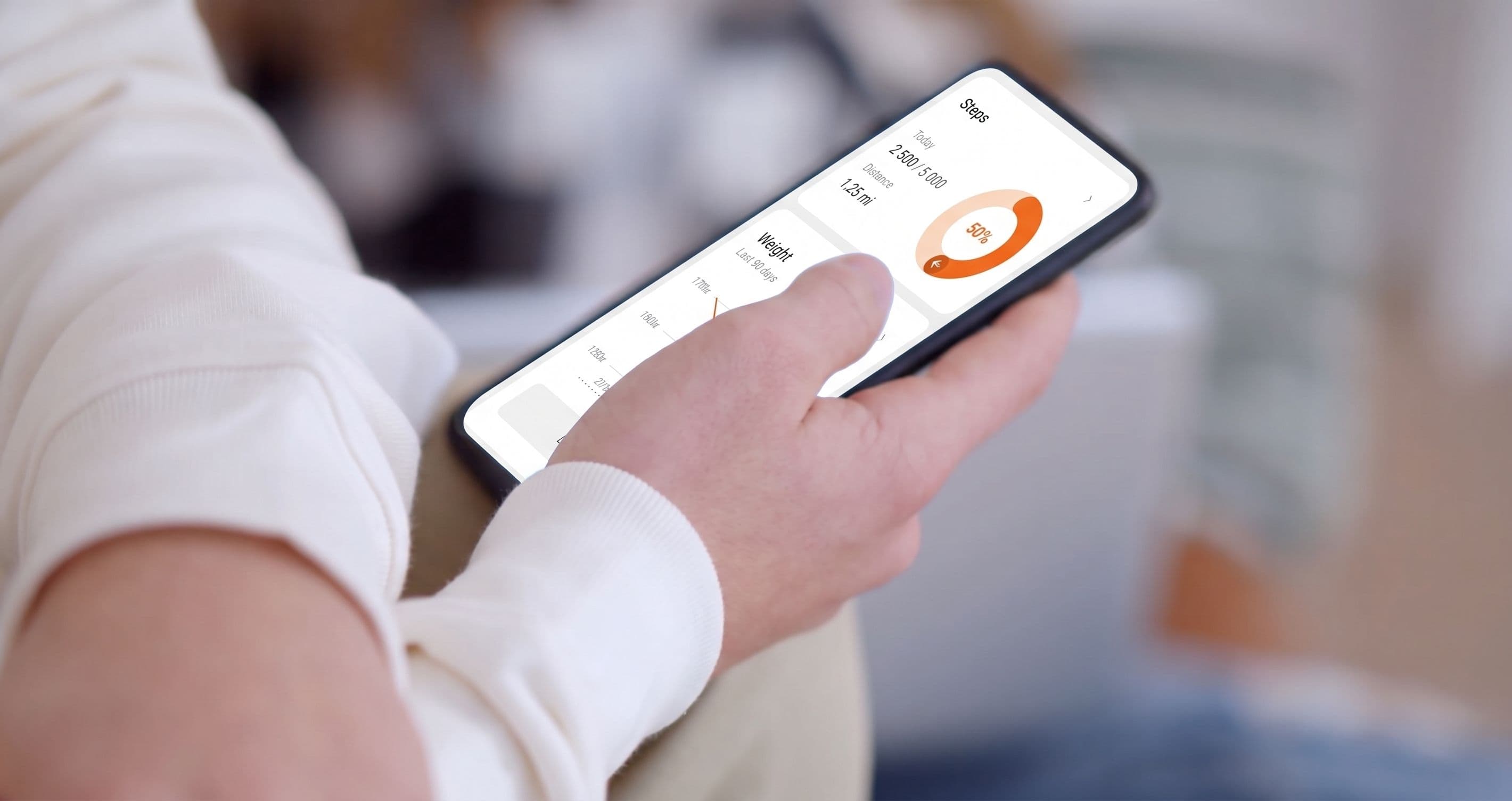
What makes this tool effective is the progress visualization, offering step counters, water intake tracking, and fasting trackers to stay consistent. Navigating these hormonal changes becomes far simpler when daily updates provide personal recommendations based on actual cycle phases.
Pain, Fatigue, and Lower Activity Levels
Pain and fatigue often lead to reduced movement and muscle loss, lowering the baseline metabolic rate over time. Meanwhile, the resulting physical stress elevates cortisol levels, which actively encourages abdominal fat storage.
Pain flares can last days to weeks, leading to reduced activity, particularly in the luteal and menstrual phases. Users report this vicious cycle makes consistent exercise hard, but gentle options help preserve energy effectively.
The research brings reassuring clarity and highlights real benefits from smart, consistent management.
What the Evidence Shows and Benefits of Taking Action
The evidence remains mixed on direct links but is strong regarding what actually helps reduce symptoms and support a healthy weight. Correcting these misconceptions with positive, qualified facts from studies provides a clear path forward.
No Direct Link and Correcting Common Myths
Endometriosis does not directly cause weight gain, and many patients actually trend leaner over time. This corrects the common misconception that endometrial lesions directly cause increased body fat.
| Common Myth | Scientific Reality |
|---|---|
Direct fat gain | Indirect fluid retention |
Permanent changes | Temporary cyclical bloating |
Requires starvation | Needs anti-inflammatory foods |
A 2026 Indonesian cross-sectional study found that higher body fat percentage was inversely associated with endometriosis severity. Users report feeling relieved when they learn the link is indirect, allowing them to focus on managing inflammation instead.
Benefits of Anti-Inflammatory and Gut-Support Strategies
Dietary fiber can reduce circulating estrogen concentrations by roughly 10 to 25 percent according to a PMC nutrition review of endometriosis. Testing reveals 60 percent of women with endometriosis and GI distress responded positively to a low-FODMAP diet.
This compares to only 26 percent responding positively on a control diet from a randomized crossover trial in Alimentary Pharmacology & Therapeutics. Users note improved energy, digestion, and overall quality of life as they adopt these targeted nutritional habits.
Knowing exactly what works makes it much easier to take those first practical steps toward relief.
How To Get Started With Cycle-Aware Management
Start small with sustainable changes instead of extreme overhauls that could worsen systemic inflammation. These steps use concrete tactics tailored specifically to endometriosis symptoms and individual cycle phases.
Nutrition Basics That Reduce Bloating and Support Hormones
Adopt a Mediterranean-style anti-inflammatory diet featuring 25 to 35 grams of daily fiber from vegetables, berries, legumes, and cruciferous veggies. This specific nutrient profile directly supports proper estrogen metabolism and gut health.
Using the Cycle Diet app helps track specific phases and align more fiber intake perfectly within the luteal phase when symptoms peak. The platform's customized meal plans adapt to the body's natural hormonal fluctuations, taking the guesswork out of daily nutrition.

Symptom relief from dietary changes like this is often assessed after 4 to 12 weeks in clinical studies. Staying consistent with these choices reduces painful bloating while supporting long-term metabolic health.
Movement Adjustments That Respect Pain and Energy
Incorporate gentle, consistent movement such as walking, restorative yoga, Pilates, or pelvic floor physical therapy into weekly routines. Add light resistance training during lower-pain phases to preserve muscle mass and support metabolic rate.
Cycle-synced movement phases
- Menstrual phase — light walking
- Follicular phase — resistance training
- Luteal phase — restorative yoga
Exercise can reduce pain intensity, lower perceived stress, and improve pelvic floor symptoms per a review in BMC Women’s Health. Users report this phased approach builds sustainable habits without triggering debilitating physical flares.
For those exercising at home, Cycle Diet offers over 100 simple cycle-based workouts and yoga exercises tailored to varying energy levels. These routines help boost metabolism naturally by working seamlessly with the body's monthly rhythm rather than against it.
Stress, Hydration, and Professional Support
Stay hydrated and cut salt around periods to minimize fluid retention, while using stress reduction practices like meditation to manage cortisol. Consult a medical provider about medication side effects, such as those originating from specific progestin injections.
Keep a food and symptom journal to identify specific triggers and test short-term eliminations under proper guidance. These positive habits build better digestion and improve daily function over time.
Even with the best plans, a few pitfalls can slow progress if caution is not applied.
Common Mistakes and Key Considerations
Let's be real, it is easy to fall into unhelpful traps when online information conflicts and painful symptoms flare. Avoiding these common mistakes keeps the focus squarely on sustainable wins instead of mounting frustration.
Skipping Cycle Awareness and Over-Restricting
Aggressive calorie restriction or high-intensity workouts raise stress hormones and actively worsen baseline inflammation. This corrects the misconception that extreme deficits are ideal, when cycle-aware anti-inflammatory approaches actually work much better.
Users report that restrictive behavior often backfires during severe pain episodes lasting days to weeks. Testing reveals focusing on consistency over perfection consistently yields better body composition results.
Confusing Temporary Bloating With Permanent Changes
Many mistake cyclical endo belly for permanent fat gain, even though it often resolves completely between flares. This rapid distension fluctuates within days, strictly following the hormonal shifts of the menstrual cycle.

Many anecdotal reports cite temporary gains equivalent to 10 pounds stemming purely from fluid retention and localized inflammation. Tracking these symptoms reduces poor body image and stops the emotional eating tied directly to flares.
Ignoring When to Seek Personalized Help
Review current medications with a healthcare provider if sudden fluid retention or severe appetite changes occur. Some hormonal treatments are heavily associated with weight shifts, requiring careful adjustments.
While evidence gaps remain in long-term body composition studies, outcomes improve when working with a registered dietitian specializing in women's health. Users report this collaborative approach improves overall quality of life without the stress of guesswork.
The FAQs below tackle specific worries users search for during challenging pain episodes.
FAQ
Is the weight gain from endometriosis itself, the medications, or something else?
It is rarely the lesions directly, and testing reveals observational data often show lower average BMI among affected individuals. Indirect factors like medications, systemic inflammation, and physical inactivity act as the main contributors.
Some forms like Depo-Provera link more to gain, while others simply cause temporary bloating. Dietary fiber intake can reduce circulating estrogen by 10 to 25 percent to help manage it.
Consulting a doctor for medication switches helps, and users report better results with anti-inflammatory eating.
How can I tell if it's endo belly bloating or real fat gain?
Endo belly involves rapid fluctuations from inflammation and fluid that often resolve post-flare, unlike steady fat buildup. Bloating typically worsens immediately before or during menstruation, and many report 10-pound temporary shifts that disappear entirely.
Cycle tracking helps spot patterns, allowing users to reduce salt and utilize gentle movement at the right times. Users report this distinction eases body image stress, making symptoms feel much more manageable.
What is the best diet for managing endometriosis symptoms and weight without increasing pain?
A Mediterranean anti-inflammatory approach with 25 to 35 grams of daily fiber from vegetables and omega-3s works far better than restrictive calorie cuts that raise cortisol. Sixty percent of women with GI distress responded positively to a low-FODMAP diet versus 26 percent on control in a randomized trial.
Cycle-syncing more fiber during the luteal phase directly helps manage estrogen. Users report improved energy and less bloating within 4 to 12 weeks of starting.
Will switching birth control or treatments help with weight?
Working with a doctor to review options makes a difference since some progestin injections and GnRH drugs link to fluid retention or appetite changes. This corrects the misconception that hormonal birth control never causes bodily shifts.
Addressing estrogen dominance through diet offers positive outcomes, reducing circulating estrogen 10 to 25 percent. Users report far less abdominal distension after making specific medical and lifestyle adjustments.
Why do I gain weight even when I eat less during flares?
This happens because inflammation raises cortisol, and reduced activity due to pain and fatigue lowers the baseline metabolism. Pain flares last days to weeks, particularly in luteal and menstrual phases, leading to progressive muscle loss.
Testing reveals anti-inflammatory diets and gentle movement like yoga improve this per a BMC Women’s Health review. Hydration and stress reduction are practical steps that users report help stabilize the body.
Does cycle syncing or phase-based eating help with endo-related weight issues?
Aligning nutrition to phases, such as extra fiber and anti-inflammatories in the luteal phase when bloating peaks, directly supports estrogen metabolism and reduces endo belly. Dietary fiber can actively lower circulating estrogen by 10 to 25 percent according to PMC reviews.
Users report better digestion and higher energy without the need for restrictive diets. Digital tools that support phase tracking greatly aid long-term habit adherence and improve quality of life.
Can inflammation or gut issues from endo make weight loss harder?
Yes, chronic inflammation affects insulin and cortisol while gut dysmotility contributes heavily to persistent bloating and estrogen recirculation. A 2024 Life journal review highlights inflammation's role in obesity development at cellular levels, and low-FODMAP diets helped 60 percent in trials.
Adopting 25 to 35 grams of daily fiber plus probiotics actively eases this discomfort for many users. Journaling triggers and consulting a registered dietitian remain highly recommended steps.
Are there non-diet ways to reduce endo belly and support healthy weight?
Gentle movement like Pilates or walking, stress practices to lower cortisol, hydration, and pelvic floor therapy are highly effective. Exercise actively reduces pain intensity and stress per a BMC Women’s Health review, with benefits seen even in lower-pain phases.
Users report these methods preserve muscle and minimize fluid retention without the gym intensity that flares symptoms. Consulting doctors about non-hormonal options helps if medications contribute, building consistent habits for better daily function.
Align your nutrition today
Related Articles
Flame Diet App Review: What's Inside, What It Costs, and How To Manage It
Wellness5 min read

VO2 Max by Age Female: How Women Can Boost Scores 15-25% in 12 Weeks
Wellness5 min read

Managing Endometriosis Ovulation Pain: Practical Strategies for Women in Their 20s-40s
Wellness5 min read

PCOS vs Endometriosis: How to Tell the Difference and Take Positive Steps in 2026
Wellness5 min read
Does Endometriosis Cause Weight Gain? Managing Endo Belly for Women Aged 20-45
Wellness5 min read

Lymphatic Drainage Face Before and After: Real De-Puffing Results for Ages 25-55
Wellness5 min read
Comments
(0)Leave a comment
Your email will not be published. All fields are required.