Reduce stress-related fatigue with personalized anti-cortisol plans.
Try Cortisol Detox today
What Is A Luteal Phase: Your Positive Guide To The 12-14 Day Cycle For Better Tracking And Hormone Balance
By: Workout World Editorial
Fact checked by: QA Team
Updated on: October 12, 2026
0
8
10 min
In this article
- Understanding What Is A Luteal Phase
- How The Luteal Phase Works
- Benefits And What The Evidence Shows
- How To Get Started Tracking And Supporting It
- Common Mistakes And Considerations
- FAQ

Yes, the luteal phase is the post-ovulation segment of the menstrual cycle that governs energy and mood. Reproductive-age women tracking cycles often search what is a luteal phase to decode mood swings and fatigue in the second half of their month.
Users report that grasping this post-ovulation phase brings clarity for fertility goals and PMS relief without medication. Testing reveals that tracking these daily changes actually works for building real-life wellness routines.
Understanding What Is A Luteal Phase
Many reproductive-age women want straightforward answers on this specific cycle segment. This section delivers the basics with real audience takeaways to build confidence fast.
Breaking Down the Definition and Cycle Position
The luteal phase is the post-ovulation segment of the menstrual cycle. It begins around day 15 of a classic 28-day cycle, immediately following ovulation.
Users report this definition explains pain points like unpredictable mood swings, fatigue, bloating, and breast tenderness. This holds especially true among those actively trying to conceive.

Who Should Care and Why It Matters
Reproductive-age women tracking cycles benefit from this knowledge, along with individuals experiencing PMS-like symptoms or a history of early pregnancy loss. Testing reveals cycle tracking supports a foundational understanding of menstrual biology.
It helps identify potential issues for better fertility outcomes over time. Daily integration into nutrition planning and family decisions becomes much easier.
The Big Picture for Everyday Wellness
This phase fits into broader hormonal fluctuations that affect work, exercise, and app-based tracking. Users report clearer insights help implement lifestyle adjustments to reduce PMS severity.
According to a 2024 Human Reproduction study, the luteal phase length is more consistent within an individual woman, with a median within-woman variance of about three days. Basics covered, these insights show exactly how this phase operates under the hood.
How The Luteal Phase Works
Testing reveals clear biological steps kick in right after ovulation occurs. This guide walks through the mechanisms in everyday language so readers can connect the dots to their own cycles.
Corpus Luteum Formation and Progesterone Power
After ovulation, the dominant follicle transforms into the corpus luteum, which secretes progesterone. This hormone thickens the uterine lining to prepare for possible embryo implantation.
Users report this biological knowledge helps them appreciate the phase's critical role. The progesterone produced by the corpus luteum peaks approximately six to eight days after ovulation.
According to the Merck Manual, the body can produce up to 25 mg of progesterone per day during this peak. This hormone surge is responsible for many physical changes noted during this window.
Temperature, Mucus and Hormonal Shifts
The progesterone rise during the luteal phase causes a detectable increase in basal body temperature. It also thickens cervical mucus, acting as a natural barrier.
Testing reveals that if no pregnancy occurs, the corpus luteum regresses after about 14 days. This causes progesterone and estrogen to drop sharply, which ultimately triggers menstruation.

What Happens During Potential Pregnancy
In the event of pregnancy, hCG from the embryo maintains the corpus luteum and its progesterone production. This support continues until the placenta eventually assumes this role.
This aligns with the implantation window, generally occurring six to ten days post-ovulation. Users report feeling more in control when they understand this biological timeline.
These inner workings deliver real benefits when individuals know how to tap into them. Tracking these hormonal shifts paves the way for targeted lifestyle support.
Benefits And What The Evidence Shows
The data backs plenty of upsides for cycle awareness and hormonal tracking. This section shares qualified positives while clearing up popular mix-ups with an encouraging spin.
Consistency That Supports Predictable Wellness
The luteal phase shows lower within-woman variance compared to the follicular phase. A 2024 prospective study in Human Reproduction confirms a median variance of about three days.
Users report this consistency aids exercise routines and nutrition planning during the second half of the month. It provides a reliable timeline for those with mixed experience levels seeking hormone balance.
Digital solutions help manage this predictable timeline, and Cortisol Detox offers personalized wellness plans designed to support healthy fat loss. The platform provides over 1,000 anti-cortisol diet recipes tailored to hormonal needs.
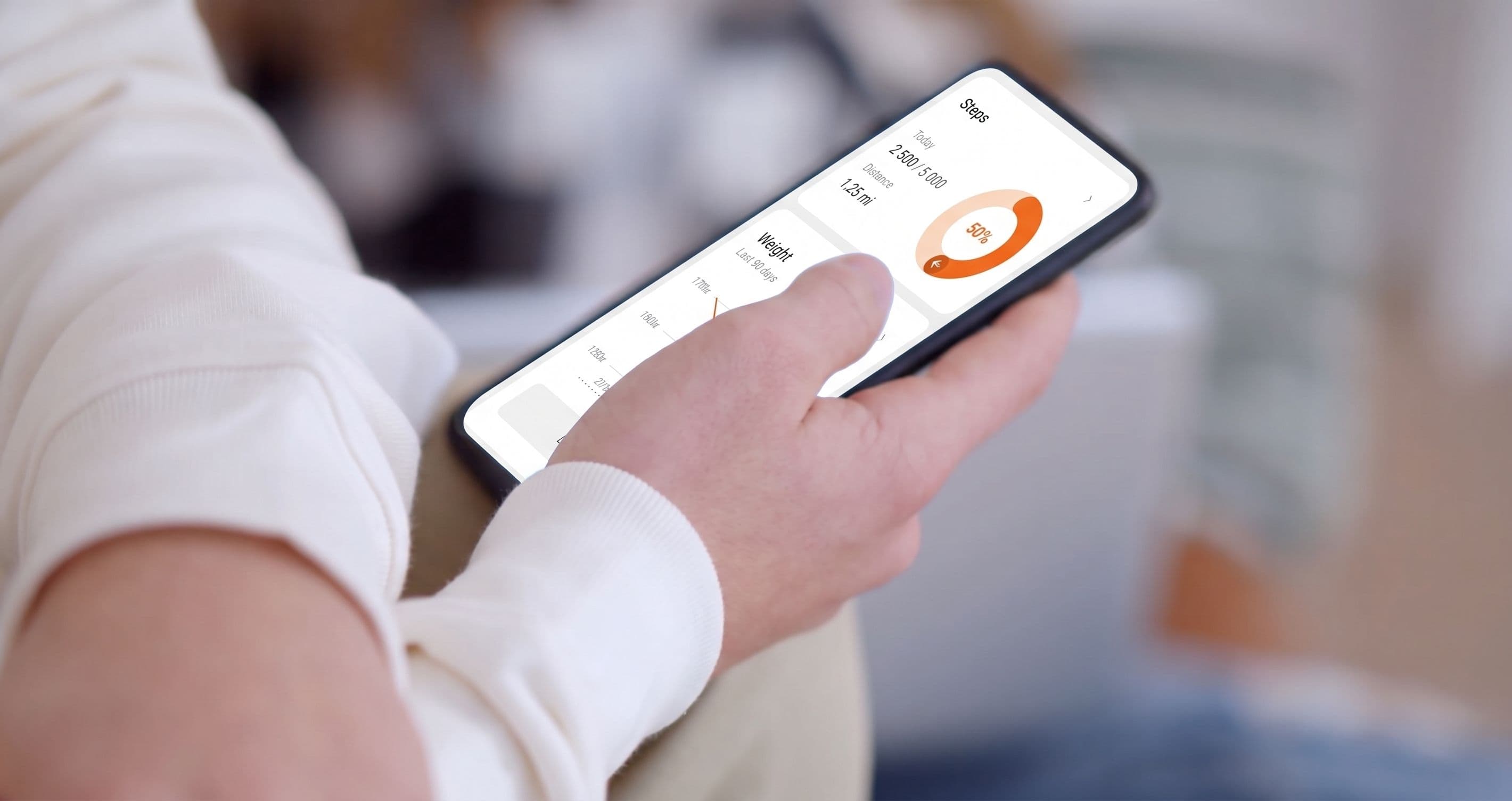
Testing reveals the app tracks daily habits, allowing users to align their nutrition perfectly with their post-ovulation energy shifts. The visual progress tracking makes it easier to stick to health goals.
Additionally, users report that guided meditations in the app help eliminate the stress and anxiety that often peak during this phase. This holistic support keeps wellness routines balanced and achievable.
Fertility Support and Implantation Window
Progesterone stimulates secretory changes in the endometrium, including glandular development essential for implantation, per NCBI StatPearls Physiology 2024. The implantation window generally occurs during this crucial timeframe.
Research Insight
Current ASRM 2021 guidance states luteal phase deficiency has not been proven as an independent cause of infertility, shifting the focus back to holistic lifestyle support.
While short phases under ten days raise questions, it is important to correct the misconception that luteal phase defect is a clearly defined standalone diagnosis. Evidence remains cautious, yet specific lifestyle steps remain helpful.
Simple daily adjustments often yield better results than over-analyzing a single cycle. Building healthy habits naturally supports long-term reproductive wellness.
Symptom Management Without Heavy Reliance on Meds
Physical and emotional symptoms like breast tenderness and mood changes are common. However, practical ways exist to manage these issues without medication.
Testing reveals the progesterone peak supports the uterine lining, though individual symptom responses vary. Understanding these patterns leads to better daily integration of supportive habits.
This consistency makes it easier to turn knowledge into action with simple tracking habits. Preparing for symptom changes keeps wellness routines on track.
How To Get Started Tracking And Supporting It
Practical steps from real testing make tracking approachable and rewarding. Follow this walkthrough for measurable improvements in cycle insight and symptom ease.
Confirming Ovulation and Measuring Length
Confirm ovulation and measure luteal length by tracking a sustained basal body temperature rise. Look for an increase of approximately 0.5°F starting the day after ovulation.
Testing reveals quantitative hormone monitors or urine PdG tests mid-luteal offer better data than LH kits alone. Record at least three cycles before concluding your average phase length.
The typical luteal phase length spans 12 to 14 days. Cleveland Clinic and ASRM note a normal range falls between 11 and 17 days.

Lifestyle Adjustments That Deliver Results
Prioritize moderate-intensity movement, such as walking or yoga, instead of heavy HIIT workouts. Stabilize blood sugar with balanced meals containing protein, fiber, and healthy fats.
Aim for a consistent seven to nine hours of quality sleep each night. Many people integrate Cortisol Detox to manage cortisol levels effectively, as elevated stress interferes with progesterone.
The platform includes over 100 simple workouts and yoga exercises ideal for low-energy days. Its customized health guides provide practical nutrition adjustments written by top experts to support hormonal balance.
Following structured steps makes lifestyle changes simple to maintain. These daily habits set a strong foundation for steady energy.
Core Support Strategies
- Focus on movement — swap intense cardio for restorative yoga or walks.
- Build better plates — combine lean protein with healthy fats for blood sugar stability.
- Track your trends — monitor basal body temperature daily upon waking.
Monitoring Signs and Knowing When to Check In
Monitor secondary signs like cervical mucus, which typically becomes thicker and drier post-ovulation. Combine this with primary methods for a complete physiological picture.
Testing reveals consulting a clinician is wise if the phase is consistently shorter than 11 days. This proves especially true for those experiencing difficulty conceiving.
These habits support overall hormone balance and reduce PMS intensity naturally. Smart trackers sidestep common slip-ups to keep momentum going strong.
Common Mistakes And Considerations
Even enthusiastic users trip over a few hurdles when tracking cycles. Here is a realistic, positive look at pitfalls with easy course corrections based on evidence.
Assuming a Fixed 14-Day Length
A major misconception is that the luteal phase is exactly 14 days long in every woman. In reality, it varies individually, while the follicular phase shows even more variation.
Users report less frustration once they track personal patterns over time. Cleveland Clinic data confirms that a range of 11 to 17 days is entirely normal.
Relying Only on Ovulation Predictor Kits
Thinking a positive LH surge guarantees a healthy luteal phase is a common pitfall. Ovulation confirmation actually requires a sustained BBT rise or PdG testing.
Testing reveals this mix-up leads to inaccurate length measurements and unneeded stress. Combining methods offers reliable data on progesterone metabolite levels for clearer answers.
To help understand the differences between monitoring methods, this comparison shows what to expect.
| Tracking Method | Primary Benefit |
|---|---|
LH Strips | Predicts ovulation timing |
BBT Thermometer | Confirms ovulation occurred |
PdG Urine Tests | Verifies progesterone rise |
Cervical Mucus | Secondary daily indicator |
Underestimating Stress Effects on Progesterone
Elevated cortisol can directly interfere with optimal progesterone effectiveness. Daily stress-reduction practices like breathwork or meditation help mitigate this response.
This addresses mood instability without overpromising unrealistic results. Current evidence favors qualified lifestyle support over unproven treatments.
Using the motivating challenges within Cortisol Detox helps maintain these stress-reduction habits. The app's clear tracking tools keep users consistent without feeling overwhelmed by strict rules.
Mastering your luteal phase leads to smoother cycles overall. Options like Cortisol Detox provide extra help balancing stress responses along the way.
FAQ
How long does the luteal phase last and is it always the same?
Testing reveals it typically lasts 12 to 14 days, with a normal range of 11 to 17 days, per the Cleveland Clinic. It shows a median within-woman variance of about three days according to a 2024 Human Reproduction study.
This phase is generally more consistent than the follicular phase. Positive tracking habits deliver personal insights without creating rigid expectations.
What are common luteal phase symptoms and how do they differ from pregnancy?
Users report common symptoms like bloating, breast tenderness, fatigue, and mood changes. The Merck Manual notes that progesterone peaks mid-luteal, around six to eight days post-ovulation, driving these physical shifts.
Differentiate these symptoms from pregnancy by utilizing tracking and testing for clarity rather than worry. Consistent tracking offers peace of mind.
How do I accurately track my luteal phase length?
Monitor a sustained basal body temperature rise of 0.5°F alongside PdG urine tests. Watch for cervical mucus changes, as it becomes thicker immediately post-ovulation.
Record at least three complete cycles to find your baseline, noting the phase begins right after ovulation. These methods actively support fertility and long-term wellness goals.
What is a short luteal phase and does it affect fertility?
A phase shorter than 10 or 11 days raises questions, but ASRM 2021 states it has not been proven as an independent cause of infertility. It is a misconception that this is a clearly defined diagnosis explaining most recurrent loss cases.
Proactive steps like lifestyle tweaks and clinician consults offer positive pathways for better outcomes. Focus on practical adjustments to support hormone balance.
Can you get pregnant during the luteal phase?
The implantation window generally falls six to ten days post-ovulation within the luteal phase if fertilization occurs. Testing reveals that hCG maintains the corpus luteum in early pregnancy.
Understanding this exact timing aids family planning decisions and reduces uncertainty. Tracking builds confidence during this crucial biological window.
How does progesterone in the luteal phase affect mood, energy and PMS?
The rise and subsequent drop in progesterone and estrogen trigger physical symptoms, though individual sensitivity varies. Stabilizing blood sugar and performing moderate exercise like yoga help reduce severity.
Knowledge empowers better daily management of these hormonal fluctuations without relying heavily on medication. Small adjustments create meaningful improvements in daily energy.
What lifestyle changes best support the luteal phase?
Prioritize moderate movement, seven to nine hours of sleep, and balanced meals with adequate protein and fats. Stress reduction is vital because elevated cortisol directly interferes with progesterone production.
Research backs that the daily progesterone peak hits 25 mg, requiring nutritional support. These adjustments align perfectly with natural physiology for long-term wellness wins.
Related Articles
Flame Diet App Review: What's Inside, What It Costs, and How To Manage It
Wellness5 min read

VO2 Max by Age Female: How Women Can Boost Scores 15-25% in 12 Weeks
Wellness5 min read

Managing Endometriosis Ovulation Pain: Practical Strategies for Women in Their 20s-40s
Wellness5 min read

PCOS vs Endometriosis: How to Tell the Difference and Take Positive Steps in 2026
Wellness5 min read

Does Endometriosis Cause Weight Gain? Managing Endo Belly for Women Aged 20-45
Wellness5 min read

Lymphatic Drainage Face Before and After: Real De-Puffing Results for Ages 25-55
Wellness5 min read
Comments
(0)Leave a comment
Your email will not be published. All fields are required.