Discover personalized Mediterranean weight loss recipes.
Explore No More Diet
High Protein Mediterranean Diet: Your Guide To Hitting 1.2-1.6g Per Kg For Muscle Maintenance After 40
By: Workout World Editorial
Fact checked by: QA Team
Updated on: September 23, 2026
0
7
11 min
In this article
- Understanding The High Protein Mediterranean Diet
- How The High Protein Mediterranean Diet Works
- Benefits And What The Evidence Shows
- How To Get Started On A High Protein Mediterranean Diet
- Common Mistakes And Considerations
- FAQ
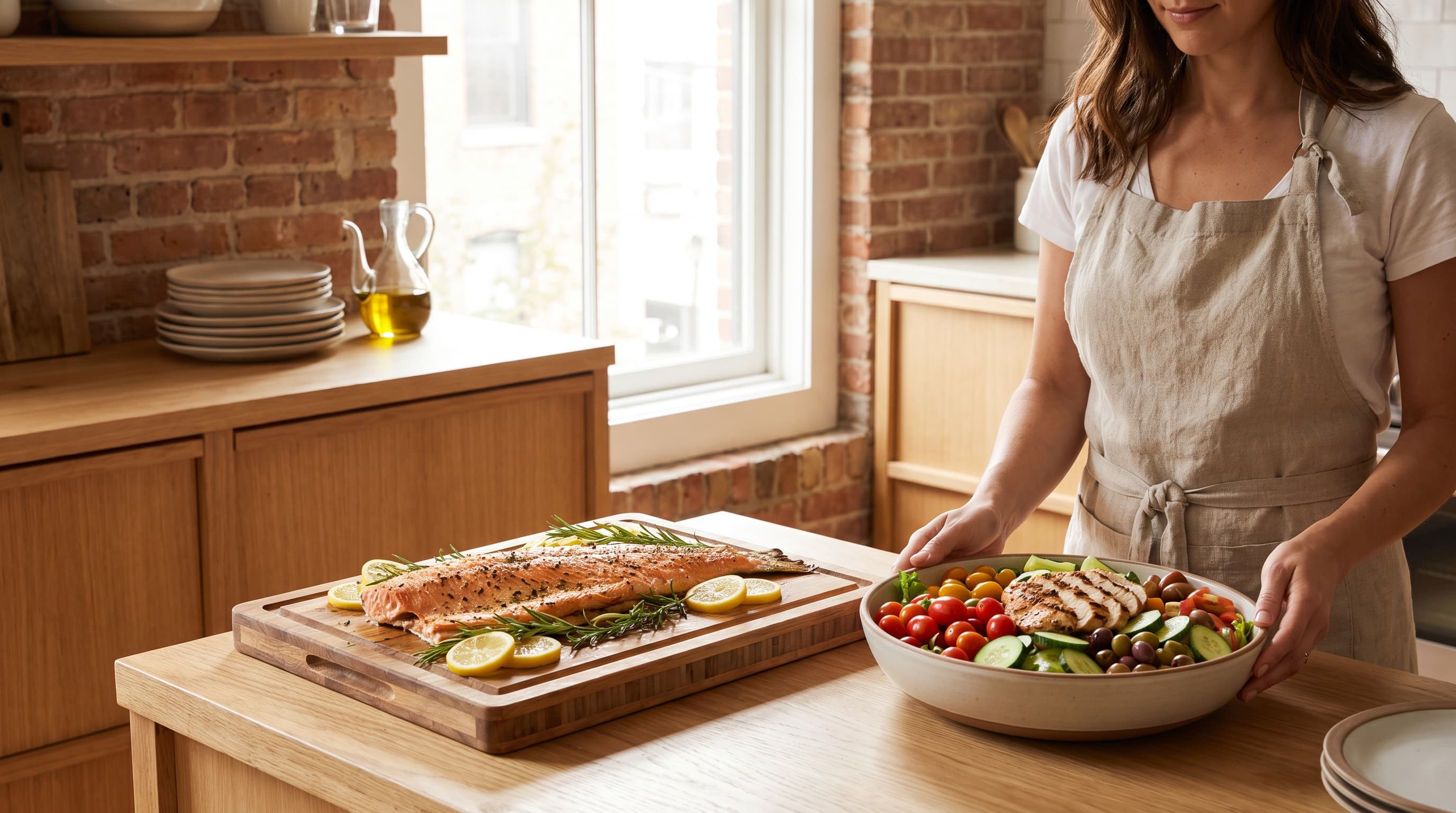
Health-conscious adults over 40 face a unique challenge when trying to fight muscle loss without compromising cardiovascular health. Guessing at macros or relying heavily on red meat often leads to frustration and inconsistent results.
Blending the heart-healthy Mediterranean pattern with elevated protein targets provides a sustainable solution. Users report improved satiety and energy when they prioritize fish, Greek yogurt, and legumes instead of leaving their nutrition to chance.
This high protein Mediterranean diet offers a practical pathway to long-term vitality. The upcoming sections outline exactly how to build a routine that delivers sustainable results in 2026.
Understanding The High Protein Mediterranean Diet
Users report that this pattern merges the anti-inflammatory Mediterranean style with 1.2-1.6g protein per kg body weight to support muscle, weight goals, and longevity. Testing reveals it fits busy routines needing quick high-protein breakfasts, meal-preppable lunches, and family dinners without supplements.
This foundation sets the stage for a practical approach to modern nutrition. It addresses common dietary pitfalls while keeping meals enjoyable.
Who Benefits And Why It Matters Right Now
Health-conscious adults over 40 preserving muscle mass, fitness enthusiasts building strength, and people managing cardiometabolic health turn to this approach for sustainable long-term eating. Users report it solves the struggle to hit 90-120g daily protein from compatible sources like fish, legumes, Greek yogurt, and poultry while staying plant-forward.
Testing reveals it delivers better fullness and addresses boredom from low-protein recipes. This shift makes it easier to maintain energy levels throughout demanding workdays.
How It Stacks Up Against Traditional Mediterranean Eating
The high protein Mediterranean diet intentionally boosts protein density without dropping vegetables, olive oil, or polyphenols. Users report it corrects the misconception that traditional versions are automatically protein-deficient and unsuitable for muscle building.
Testing reveals strategic choices let people reach targets while keeping moderate carbs for heart health and insulin sensitivity.
| Feature | Traditional | High Protein |
|---|---|---|
Protein Target | 0.8-1.0g/kg | 1.2-1.6g/kg |
Daily Amount | 50-70g | 90-120g+ |
Satiety Level | Moderate | Maximum |
Now that the foundation is clear, let's break down the mechanisms that drive the results.
How The High Protein Mediterranean Diet Works
Testing reveals the pattern works by pairing higher protein with the diet's healthy fats and fiber for synergistic effects on satiety and repair. Users report it feels sustainable because it builds on familiar Mediterranean flavors rather than restrictive rules.
This targeted approach maximizes nutrient density in every meal. The resulting balance keeps the body fueled for hours.
Smart Selection Of Mediterranean-Compatible Proteins
Strategic selection of grilled fish, chicken souvlaki, Greek yogurt, and lentils easily reaches 25-40 percent of calories from protein while retaining core elements. Users report this keeps plates satisfying and aligned with seasonal produce.
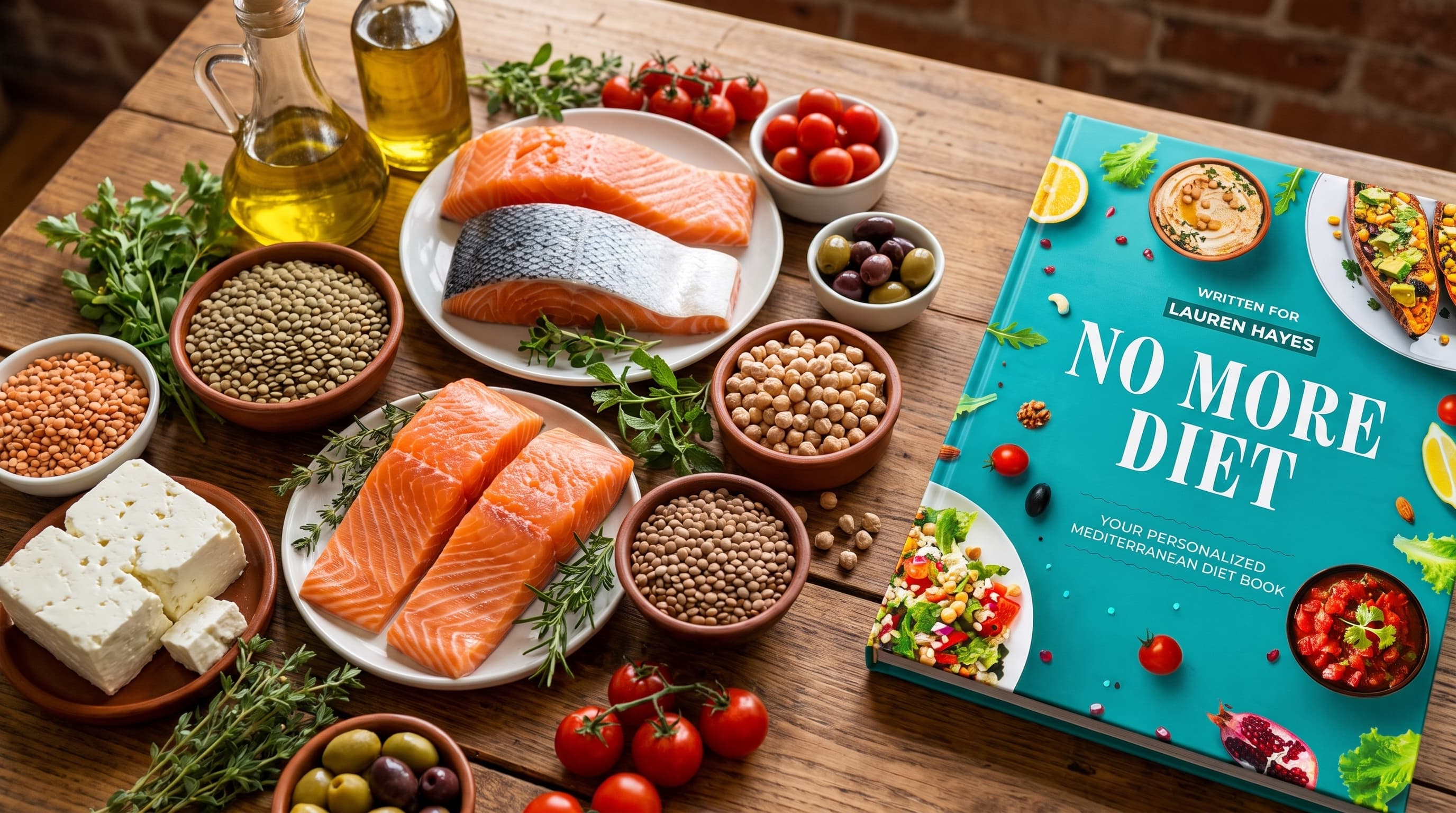
Finding the right balance of these ingredients often proves challenging for beginners navigating macro goals. The No More Diet book helps users achieve sustainable weight loss through personalized Mediterranean-inspired recipes tailored to specific body types and goals.
This wellness guide prevents boredom by offering a deep-dive section dedicated specifically to matching personal eating preferences with high-protein targets. Readers can easily navigate meal construction using the book's structured lifestyle and nutrition advice.
Testing reveals that having this tailored roadmap prevents the common mistake of over-relying on grains that lower overall protein density.
Synergistic Effects On Digestion, Satiety, And Recovery
Healthy fats, fiber, and high protein slow digestion for lasting fullness while anti-inflammatory compounds reduce oxidative stress. Users report better muscle repair when combining this approach with consistent resistance training.
Testing reveals the combination supports metabolic health through moderate methionine levels compared to Western diets. Maintaining this consistency is where personalized resources prove valuable.
The No More Diet book provides motivational insights and structured progress tracking that make lifestyle changes feel natural rather than forced. Users find the practical guidance on eating and moving helps them avoid overthinking their daily habits.
Protein Timing Across Meals For Optimal Results
Spreading 20-30g protein across three to four eating occasions optimizes muscle protein synthesis and glycemic control versus loading it all at dinner. Users report this helps with blood sugar stability and all-day energy.
Testing reveals it fits busy schedules with options like Greek yogurt breakfasts or lentil lunches. Structuring meals ensures a steady supply of amino acids.
Optimal Meal Timing Strategy
- Morning anchor — consume 20-30g protein from Greek yogurt or eggs.
- Midday sustain — consume 20-30g protein from lentils or grilled poultry.
- Evening recovery — consume 20-30g protein from baked salmon or white fish.
With the how covered, the research-backed benefits show why this pattern stands out.
Benefits And What The Evidence Shows
Users report noticeable improvements in fullness, energy, and lab markers when following a high protein Mediterranean diet. Testing reveals it delivers wins for heart health, metabolism, and muscle without conflicting with the diet's principles.
These evidence-based outcomes highlight its effectiveness for long-term health. The combination of macros creates an optimal environment for aging bodies.
Heart Health And Reduced Cardiovascular Risk
The Mediterranean diet supplemented with extra-virgin olive oil reduced major cardiovascular events by around 30 percent versus a low-fat control in the PREDIMED trial published in NEJM 2013. Users report lower inflammation when they add high-protein elements like fatty fish twice weekly.
It corrects the misconception that high protein requires red meat by demonstrating that poultry, seafood, and legumes fit perfectly. This balance keeps saturated fat moderate while maximizing nutritional value.
Better Insulin Sensitivity And Metabolic Health
A high-protein version improved insulin resistance and glycemic variability more effectively than a standard Mediterranean diet in a 2021 Nutrients cross-over trial with insulin-resistant obese women. Testing reveals adults over 40 see stronger satiety and weight management.
Users report easier blood sugar control when hitting 1.2-1.6g protein per kg from Greek yogurt and legumes delivering 15g protein per cup cooked. These fibrous protein sources prevent the energy crashes associated with refined carbohydrates.
Muscle Preservation And Nutritional Gains For Older Adults
The PROMED-EX trial showed a protein-enriched Mediterranean diet improved nutritional assessment scores by 2.2-2.6 points and increased daily protein by 9-21g in older adults. Users report it supports muscle building alongside resistance training without eliminating healthy fats.
Testing reveals higher adherence links to 9 percent lower all-cause mortality per two-point score increase.
Expert Insight
Combining elevated protein targets with anti-inflammatory Mediterranean fats provides an effective defense against age-related muscle loss and metabolic decline.
Ready to put it into practice? Here is a straightforward path to get started.
How To Get Started On A High Protein Mediterranean Diet
Testing reveals starting is simpler than most think when you anchor meals with compatible proteins and prep components ahead. Users report quick wins in satiety once they follow a few practical steps.
Preparation eliminates the daily guesswork surrounding meal creation. Having structured options ready ensures consistency throughout the week.
Picking Proteins And Building Balanced Plates
Prioritize Greek yogurt or kefir at breakfast for 16g protein paired with berries and nuts. Include fatty fish or seafood two to three times per week for 20-30g per serving, and add a half to one cup of legumes daily for 15g protein plus 13g fiber.
Users report grilled chicken souvlaki or eggs work well with vegetables, feta, and olive oil. Testing reveals spreading protein across multiple occasions improves overall results.
Creating Meal Plans And Prep Strategies
A simple weekly setup includes high-protein breakfasts like cottage cheese with tomatoes, lunches featuring lentil soup, and dinners with baked salmon and roasted vegetables. Users report meal prepping grilled items and hard-boiled eggs makes hitting targets family-friendly.
Resources like the No More Diet book serve as an effective tool for generating these balanced macro plans efficiently. By utilizing its personalized cover-to-cover framework, readers can integrate exciting Mediterranean meals into a busy schedule without confusion.
This dedicated goal-focused approach ensures long-term maintenance of the resulting weight loss.
Get Your Custom Plan
Tracking Intake And Adjusting For Your Goals
Start with approximate tracking to reach 1.2-1.6g protein per kg while aligning calories for weight loss or muscle support. Testing reveals focusing on 7-22g protein snacks like sardines on whole-wheat toast prevents under-eating.
Users report adaptations work well for blood pressure or insulin resistance when loading plates with non-starchy vegetables.
Even with the best plans, a few pitfalls can slow progress if left unchecked.
Common Mistakes And Considerations
Users report that avoiding a handful of common traps helps them stick with the high protein Mediterranean diet long term. Testing reveals realistic adjustments keep it sustainable for busy lives and families.
Being aware of these nuances prevents the frustration of stalled progress. Simple modifications quickly correct any dietary imbalances.
Avoiding Over-Reliance On Low-Protein Staples
Avoid filling up on olive oil, bread, pasta, or tabbouleh, which lowers protein density instead of anchoring every meal with fish, Greek yogurt, or legumes. Users report this mistake leads to under-eating protein and boredom.
Testing reveals choosing higher-density options like three-quarters cup of Greek yogurt for 16g protein keeps meals exciting and effective. Small ingredient swaps make a noticeable difference in daily totals.

Protein Distribution And Sustainability Factors
Skewing protein to one large dinner instead of spreading it across meals misses benefits for satiety and muscle synthesis. Users report family-friendly options like shared souvlaki plates or lentil sides solve meal-prep concerns.
Testing reveals budget-conscious grocery lists focused on seasonal produce, eggs, and beans support adherence without breaking the bank.
Realistic Limitations And Smart Adaptations
While direct long-term RCTs on high-protein Mediterranean versus other diets are still emerging, current evidence like the DIRECT-PLUS trial on greener versions shows superior visceral fat loss. Users report it works for post-menopausal women and athletes when paired with progressive resistance training.
Testing reveals starting simple prevents overwhelm for those new to tracking macros.
These insights set you up for success with the high protein Mediterranean diet while keeping things realistic and enjoyable.
FAQ
Can you actually get enough protein on a Mediterranean diet without eating lots of red meat?
Yes, users report easily reaching 1.2-1.6g per kg and 90-120g daily using fish, Greek yogurt delivering 16g per serving, legumes offering 15g per cup, and poultry. Testing reveals these compatible sources support muscle and satiety without supplements.
Spreading this intake across meals provides the best results. The PREDIMED trial demonstrated significant benefits with this approach.
What are good high-protein Mediterranean breakfast and snack options?
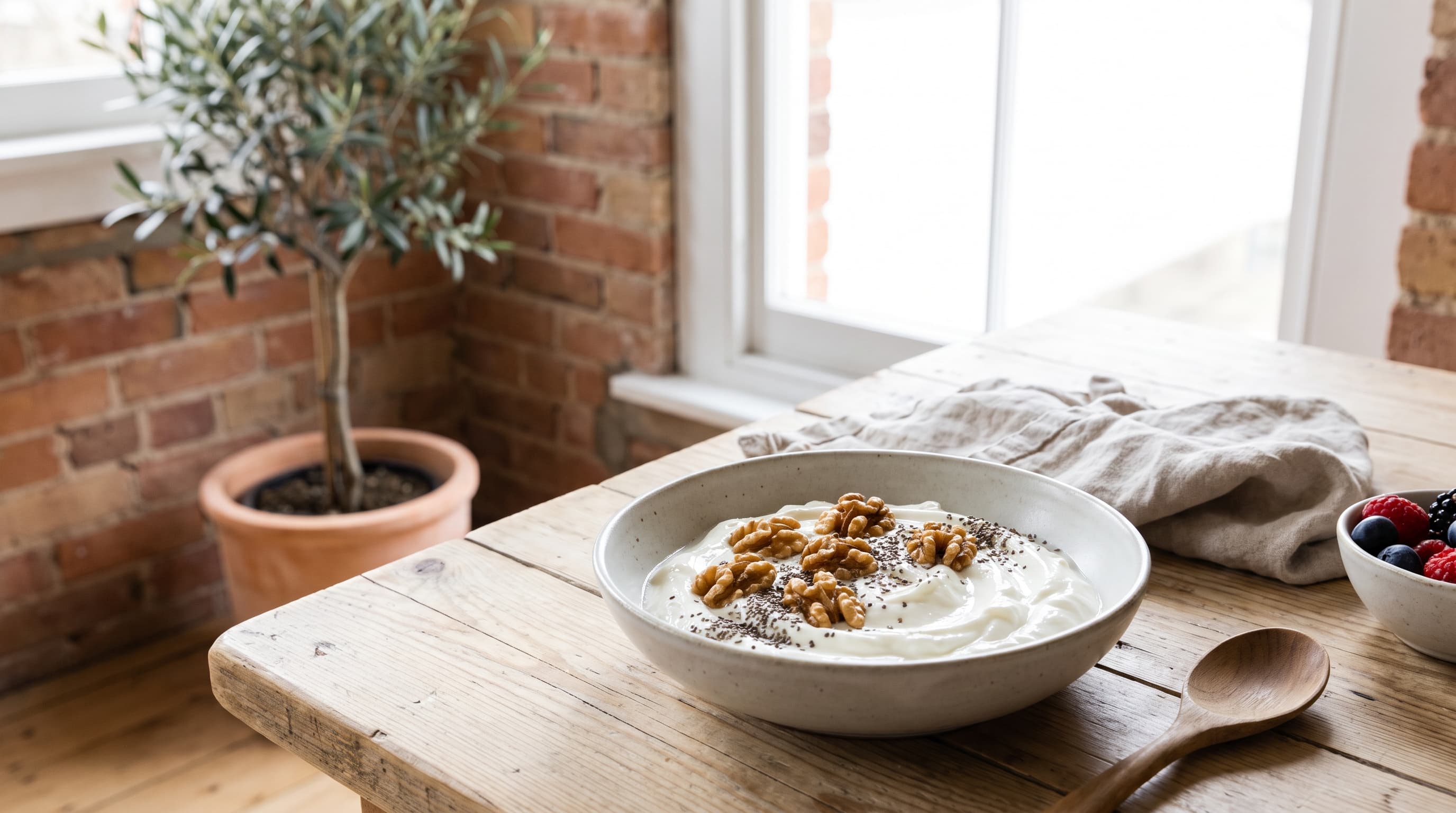
Practical picks include Greek yogurt with berries and walnuts for 15-18g protein or cottage cheese with tomatoes and herbs at 12g. Users report sardines on whole-wheat toast deliver 22g and fit busy mornings.
Testing reveals these options combat boring recipes while providing essential omega-3s and fiber.
How much protein should I aim for daily on a high protein Mediterranean diet?
The target is typically 1.2-1.6g per kg body weight for active adults, translating to 90-120g or more for many. Users report this supports muscle preservation after 40 and better insulin sensitivity.
Distributing 20-30g per meal maximizes these metabolic benefits without raising overall calories excessively.
Are there 7-day meal plans that combine high protein with Mediterranean principles?
Sample plans exist with daily totals around 95-110g protein and 1800 calories focusing on fish twice weekly and daily legumes. Testing reveals prepping components like grilled chicken and lentil soup makes the routine sustainable.
Users report these structured plans reduce inflammation and aid weight management when aligned with resistance training.
Is the high protein Mediterranean diet good for building muscle or losing weight?
Users report success with both outcomes when pairing the diet with exercise. The PROMED-EX trial showed improved nutrition scores, and the DIRECT-PLUS trial noted greater visceral fat loss.
Testing reveals 25-40 percent of calories from protein plus olive oil supports recovery and satiety. It corrects the misconception about low protein in traditional versions.
How does a high-protein version compare to standard Mediterranean for insulin resistance or heart health?
The high-protein adaptation improved HOMA-IR and glycemic variability more than standard versions in insulin-resistant women. It retains the 30 percent cardiovascular risk reduction from the PREDIMED trial by utilizing extra-virgin olive oil.
Users report better fullness and metabolic results due to the synergistic fiber, fats, and protein.
What are easy ways to increase protein while keeping meals family-friendly and budget-conscious?
Adding legumes to soups and salads yields 15g protein per serving. Using eggs or Greek yogurt in shared breakfasts and choosing affordable sardines or chicken over pricier cuts helps.
Users report these fit weekly meal prep and seasonal produce budgets. Anchoring plates with protein prevents common mistakes.
Can older adults or people with high blood pressure follow this diet safely?
Testing from the PROMED-EX trial showed older adults improved nutritional status with 9-21g extra daily protein from Mediterranean sources. The pattern supports blood pressure through reduced systemic inflammation.
Users report it works well with adaptations like lower sodium herbs. Professionals should be consulted, but adherence links to a 9 percent mortality benefit.
Related Articles

High Diet App: What It Is, What's Included, and How to Manage Your Subscription
Diets5 min read

K-Diet App Review: What's Inside, What It Costs, and How To Manage It
Diets5 min read

Senior Diet App Review: What's Inside, What It Costs, and How To Manage It
Diets5 min read

How to Build a Vegetarian Weight Loss Meal Plan for Steady 1-2 Pound Weekly Results
Diets5 min read

Probiotic Drinks for Gut Health: How to Choose Effective Options and See Real Improvements in 8-12 Weeks
Diets5 min read

Korean Glow Diet Guide: 4-Week Plan for Glass Skin That Lasts
Diets5 min read
Comments
(0)Leave a comment
Your email will not be published. All fields are required.